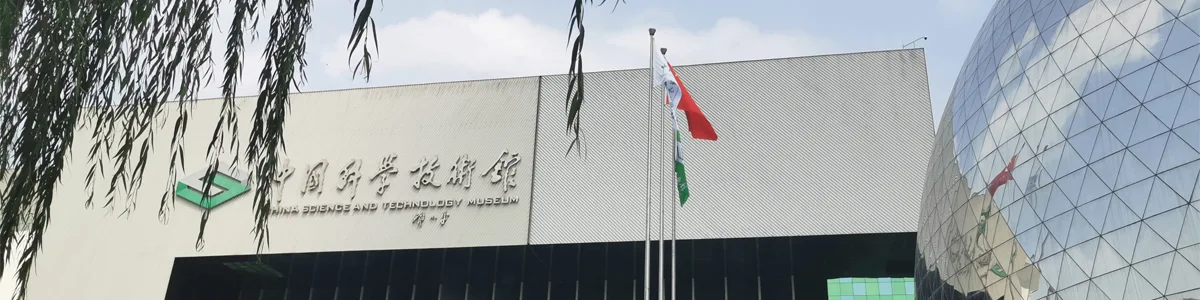
Destinations: Technology Museum immersive study, Hands-on tech innovation DIY workshops
Focusing on modern Chinese science and technological achievements, this Beijing camp combines popular science education with hands-on experience. Students visit China Science and Technology Museum, aerospace exhibition halls, and participate in simple tech experiments, understanding China's rapid scientific development.
Core Highlights
Who It Fits
Ages 12–18, STEM lovers, students interested in Chinese modern technology.
Package Includes
All tech courses, venue tickets, experiments cost, accommodation, meals and full supervision.
Day 1: Arrival, Mandarin Orientation & Tech Cognition Opening Class Morning: International students arrive at Beijing airport / high‑speed railway station. Our camp supervisors and English‑speaking study‑tour guide meet the whole group. Transfer to secure camp accommodation. Complete check‑in, room assignment and camp safety briefing covering daily rules, emergency contact points and campus code of conduct.
Afternoon: Opening session of the study tour. Short interactive Mandarin orientation lesson, focusing on basic practical Chinese phrases for daily camp life. Followed by Tech Cognition Opening Course: instructors give an illustrated introduction to major modern Chinese science & technology achievements, including aerospace, new‑energy technology and digital innovation. Students receive camp notebooks and study handouts for recording observations and ideas. Group ice‑breaking activities help students form small project teams for later innovation competition.
Evening: Group dinner. Guided group discussion: “What do you know about Chinese technology?” Students share initial expectations for the coming days. Overnight at camp accommodation.
Day 2: Mandarin Practice + Extended Tech Cognition Courses & Urban Tech Observation Morning: Practical Mandarin class, themed around science‑related vocabulary, lab safety expressions and field‑trip conversation skills. Afterwards, thematic tech lecture: China’s aerospace and national‑defence popular‑science course. Instructors introduce China’s space station programme, lunar‑exploration missions and satellite technology with short documentary clips, images and Q&A interaction.
Afternoon: Modern Beijing urban development observation field activity. Students visit key urban areas to observe smart‑city facilities, new‑energy public transport and modern infrastructure. Teams complete simple observation worksheets to document technology applications in real‑city daily life. Return to the camp site.
Evening: Team workshop time. Each small group brainstorms preliminary ideas for the coming tech‑DIY innovation competition. Supervisors offer guidance and note down project concepts. Overnight at camp accommodation.
Day 3: Full‑day Immersive Visit to China Science and Technology Museum Morning: Depart for China Science & Technology Museum. Guided immersive study across core exhibition halls. Students explore ancient Chinese inventions, modern physics exhibits, robotics and energy‑science zones. Under the guidance of our study‑tour educator, groups complete assigned interactive tasks: operating hands‑on experimental stations, reading exhibit introductions and recording key findings in their study notebooks.
Lunch is arranged inside or nearby the museum complex.
Afternoon: Deep dive into the aerospace exhibition hall. View space‑related real‑size models, spacecraft replicas and display materials about crewed spaceflight and deep‑space exploration. Students take part in guided group discussions comparing space‑technology development across different countries. Free exploration time for favourite interactive exhibits. Return to camp in late afternoon.
Evening: Review session. Students share the most impressive museum exhibits within their teams, sort field‑trip notes and refine their DIY‑project directions. Overnight at camp accommodation.
Day 4: Aerospace Exhibition Visit & Thematic Science Workshop Morning: Visit the aerospace‑themed exhibition hall. Professional popular‑science lecturers walk students through rocket‑structure principles, satellite application scenarios and astronaut life in space. Students watch short aerospace‑science films and join simulation demonstration activities such as virtual rocket‑launch experience. Q&A session allows students to ask technical questions directly to the lecturer.
Afternoon: On‑site thematic science workshop. Instructors lead simple guided science experiments covering basic physics and engineering principles, building knowledge foundations for the next‑day DIY innovation challenge. Students learn experimental safety standards, record experiment data and analyse observed results together in small teams.
Evening: Team preparation. Groups finalise their tech‑DIY project plans, list required materials and assign internal roles for the team innovation competition. Supervisors check each group's plan and give practical suggestions. Overnight at camp accommodation.
Day 5: Hands‑on Tech‑DIY Experiment & Team Innovation Competition Morning: Full hands‑on tech‑DIY experimental session. With tools and experimental kits provided by the camp, each student team builds their small‑scale tech‑innovation prototype based on their earlier design plans. Instructors and technical assistants circulate to offer troubleshooting guidance, explain engineering thinking and help students adjust their works when facing technical difficulties.
Afternoon: Team Innovation Competition. Every group gives a short English presentation introducing their project concept, design logic and prototype functions. Judges consisting of our study‑tour instructors score each team on creativity, technical thinking, teamwork and presentation performance. Award certificates and small prizes are given to winning groups. All participants receive individual STEM study‑tour certificates.
Evening: Camp review activity. Students reflect on what they have learned throughout the programme, exchange take‑aways and write short learning diaries. Overnight at camp accommodation.
Day 6: Closing Ceremony & Departure Morning: Official closing ceremony. Recap of the 6‑day Science & Tech Innovation Study Tour. Showcase selected student DIY projects and highlight outstanding moments from field trips and classes. Distribute full study‑tour completion certificates to every participant. Group photo session for the whole camp.
Afternoon: Check‑out from camp accommodation. Transfer to Beijing airport or high‑speed railway station for students' onward departure flights or trains. End of the study‑tour programme.