Imagine your child waking up in a beautiful Chinese city, practicing Mandarin with new friends over breakfast, then heading out to explore ancient temples, bustling markets, and modern wonders. That's what a summer with PandaStudyTour feels like.
Our Chinese Summer Camp is more than just language classes. It's a full immersion experience designed to build confidence, curiosity, and global friendships. Every day blends interactive Mandarin lessons with hands-on cultural activities - calligraphy, cooking, kung fu, and city excursions. Students live and learn in a safe, supportive environment with 24/7 supervision and experienced bilingual staff.
Whether your child is a total beginner or already speaks some Chinese, our small classes and personalized attention help them improve fast - and have fun doing it. They'll come home with sharper language skills, lasting memories, and a whole new perspective on the world.
Popular tourism themes in China, the first choice for tourism in China.



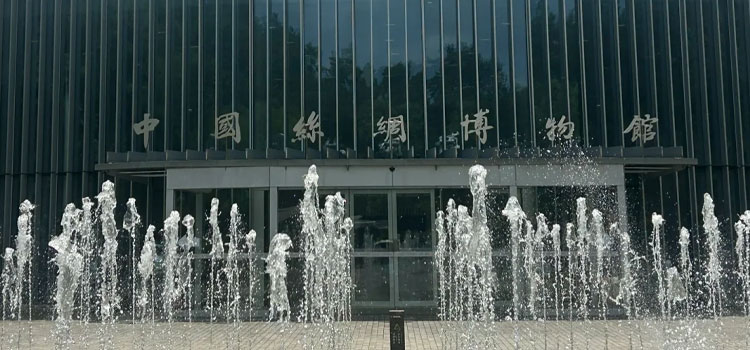


China's popular tourist destinations, the most popular tourist destinations to choose from when coming to China.




Absolutely. Our Chinese Summer Camp is designed for all levels, including complete beginners. Students take a placement test on the first day and are grouped into small classes based on their level. Beginners focus on everyday conversation, pronunciation, and survival Mandarin, while more advanced learners tackle reading, writing, and cultural topics. With our immersive environment, even beginners start speaking within days.
This section provides a comprehensive guide to Chinese summer camps for international students. Whether you are a parent exploring options or a student preparing for an immersive Mandarin immersion program, you will find answers to the most common questions about program structure, language learning progress, accommodation choices, visa requirements, safety standards, cultural activities, and more. Use this knowledge to better understand what a Chinese summer camp in China involves and how to choose the right program for your goals.
A Chinese summer camp is an immersive language and cultural program held in China during the summer holidays, typically lasting 2 to 8 weeks. These camps combine intensive Mandarin lessons with real-world language practice, cultural workshops, and excursions to historic and modern landmarks.
Unlike traditional classroom learning, a Chinese immersion camp places students in an environment where Mandarin is used throughout the day - in class, during meals, on excursions, and in daily interactions. This approach accelerates language acquisition and builds confidence in ways that textbook learning alone cannot match.
Key components of a typical Chinese summer camp include:
Who is it for? Chinese summer camps typically serve international students aged 7–17, with separate tracks for juniors (7–12) and teens (13–17). Many programs welcome complete beginners as well as heritage learners with some Mandarin background.
The rate of progress depends on program intensity, class size, and the student’s starting level. However, research and program data consistently show that immersive Chinese summer camps produce measurable gains in a short period.
A well-structured Mandarin immersion program typically provides 15–20 hours of formal instruction per week, supplemented by hours of real-world practice. Programs that compress two semesters of coursework into two months have seen students achieve fluency gains that would take a full academic year in a non-immersive setting.
Key factors that accelerate learning:
Many students report that after 2–4 weeks, they can handle everyday conversations, read basic Chinese characters, and navigate daily life in China independently.
Chinese summer camps typically offer two main accommodation types, each with distinct advantages:
Host Family Homestay
Staying with a carefully vetted Chinese host family is one of the most effective ways to experience daily life in China and practice Mandarin outside the classroom. Homestay families provide a private furnished room (bed, desk, wardrobe, air conditioning) and typically include breakfast and dinner. Students benefit from authentic cultural exchange, home-cooked meals, and informal language practice during family interactions.
Campus Dormitory
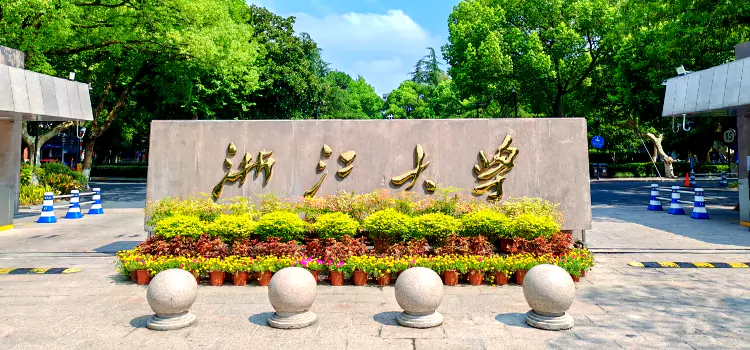
University-based Chinese summer camps often house students in on-campus dormitories at institutions such as Peking University or East China Normal University. This option offers a structured, supervised environment with 24/7 coordinator support, making it ideal for younger students or first-time travelers to China. Dormitories are typically shared rooms with common areas, and meals are provided in university cafeterias.
Which is right for my child? Homestay suits students who want maximum cultural immersion and are comfortable in a family setting. Dormitory suits those who prefer peer interaction and a more structured, campus-based experience. Many programs allow students to choose, and some offer a dual-city format combining both.
Visa requirements depend on the program type, duration, and the student’s nationality. Here is a general guide:
| Visa Type | Best For | Key Details |
|---|---|---|
| L Visa (Tourist) | Short sightseeing camps with no formal school enrollment | Suitable for programs under 90 days that are primarily tourism-focused |
| F Visa (Exchange/Visit) | Cultural exchange or study tour programs organized by an invited institution | Requires an invitation letter from the host organization in China |
| X2 Visa (Short-term Study) | Formal short-term study of 180 days or less at a university | Requires an admission notice from the school |
| Visa-Free Entry | Eligible nationalities for stays up to 30 days | Some countries’ citizens can enter China visa-free for study tours, including summer camps |
Important: The correct visa category depends on the actual activities and the documents issued by the camp organizer, not just the program name. PandaStudyTour provides official invitation letters and admission documents to support the visa application process.
Safety is the top priority for parents sending their children abroad. Reputable Chinese summer camps implement comprehensive safety measures:
Before enrolling, parents should confirm that the camp provides written safety policies, clear emergency procedures, and contactable references from previous participants.
One of the most distinctive features of a Chinese summer camp is the integration of hands-on cultural activities that make language learning tangible and memorable. Common activities include:
Traditional Arts
Martial Arts & Movement
Culinary Experiences
City Exploration
These activities do more than fill the schedule — they embed language learning in authentic cultural experiences, helping students develop both linguistic and intercultural competence.
Parents and students choose Chinese summer camp programs in China for several compelling reasons:
Accelerated language acquisition. Full immersion is widely recognized as the fastest path to fluency. Living in China and using Mandarin daily accelerates progress far beyond what classroom-only study can achieve.
Personal growth and independence. Living and learning in a new environment helps young people become more adaptable, self-assured, and comfortable handling unfamiliar situations independently.
Global perspective. Students connect with peers from around the world, broadening their worldview and building international friendships that last beyond the camp.
Competitive advantage. Proficiency in Mandarin is increasingly valued in academic and professional settings. A summer spent learning Chinese in China demonstrates initiative, cultural awareness, and global-mindedness — qualities that strengthen school and university applications.
Lasting memories. From climbing the Great Wall to making dumplings with a host family, the experiences students gain at a Chinese summer camp create stories and memories they carry for a lifetime.
Q: What is the best age for a Chinese summer camp?
Most Chinese summer camps accept students aged 7–17, with age-specific tracks: junior camp for ages 7–12 and youth/teen camp for ages 13–17. Younger students benefit most from day camp formats with family accommodation, while teens are typically ready for full-boarding or homestay experiences.
Q: Can my child join if they have never studied Chinese before?
Yes. Most programs welcome complete beginners and use placement tests to group students by level. Beginner classes focus on pinyin, tones, everyday conversation, and survival Mandarin, enabling students to start speaking within days.
Q: How long should a Chinese summer camp last?
Programs typically range from 2 to 8 weeks. For first-time participants, 2–4 weeks is a good starting point to experience the program without a long separation from home. Students seeking significant language gains may benefit from 4–8 weeks.
Q: Are meals included, and can dietary restrictions be accommodated?
Yes. Full-board camps provide three meals daily, with a mix of local Chinese cuisine and familiar options. Vegetarian, allergy, and halal requirements can be accommodated with advance notice.
Q: What should my child pack for a Chinese summer camp?
Essentials include comfortable walking shoes, weather-appropriate clothing, a refillable water bottle, any required medications, and a small backpack for daily excursions. Most programs provide a detailed packing list upon registration. Electronics are permitted but often limited during class and activity hours to encourage immersion.
Q: Do students receive a certificate after completing the camp?
Many programs, especially those hosted at universities, issue a completion certificate that can be included in school or university applications. PandaStudyTour provides certificates of completion and, upon request, detailed progress reports.
