Destinations: Secret Glacier & Snow Peak Views near Gongga
Ledomanin Glacier Trek – Secret Glacier & Snow Peak Views near Gongga
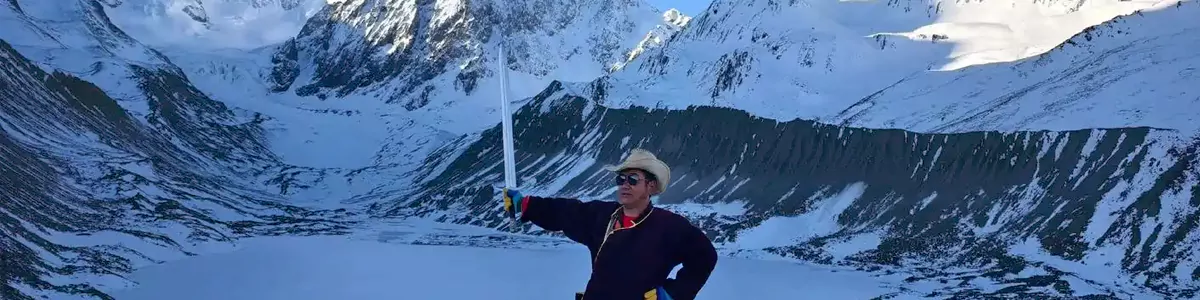
Ledomanin, also widely known as Leduomanyin, is a striking sharp pyramidal peak and attached hanging glacier system on Gongga's northern flank, separated from the busier Gongga West and South routes by rolling Tibetan grasslands and remote nomad valleys. Compared with crowded glacier destinations such as Hailuogou, this trail receives remarkably few visitors, preserving an atmosphere of raw, undisturbed high-plateau wilderness. The trek progresses from forested river valleys upwards onto wide alpine meadows dotted with yaks, then onto moraine terrain where turquoise meltwater lakes sit directly beneath the glacier’s blue ice walls. The journey builds altitude slowly and intentionally, making acclimatisation a core part of the itinerary rather than an afterthought. Along the way you will pass seasonal black yak tents, meet nomad families tending livestock, and see wild alpine flowers carpeting the meadows from late spring through summer. This is a photographer’s high-altitude trek, built around golden morning light hitting the peak and mirror reflections in the moraine lakes. It is a challenging alpine route requiring respect for altitude, rapid weather shifts, and cold nighttime temperatures even in June and July.
Highlights
Basic Info
Day 1: Kangding → Laoyulin Tibetan Base Village, Altitude Acclimatization
07:00 Meet in central Kangding for breakfast before transfer. The 2.5-hour drive climbs gradually out of Kangding, crossing alpine pastureland and small stone Tibetan villages, with frequent stops for landscape photos and altitude adjustment. We arrive at Laoyulin Village (3750m) by midday, check into a local Tibetan family guesthouse, and enjoy a simple lunch of yak soup, tsampa and steamed buns. The afternoon is reserved for critical active acclimatisation: a slow, flat 2 km loop walk across the village meadow, no steep climbing. Our guide explains altitude sickness warning signs, hydration rules, and how to pace yourself over the coming high days. You will have the chance to chat with local villagers and learn about nomadic herding cycles before dinner. Early night to rest, no strenuous activity. Overnight village guesthouse.
Day 2: Valley Approach Hike to First Meadow Campsite (11 km, 6.5–7.5 hours)
06:30 Early breakfast, pack day gear and assign porter loads. We leave the village at 08:00, following a well-worn herder trail up the wide Gexi grassland valley. The path crosses small glacial tributary streams via stone causeways, winding past yak herds and temporary nomad black tents. We make steady, moderate uphill progress, with multiple rest stops every 45 minutes to keep heart rate stable for altitude adaptation. Mid-morning snack stop beside a wild rose thicket. At roughly the halfway point we stop for picnic lunch on a sun-warmed meadow overlooking the valley. After lunch the gradient increases gently, moving from short grass pasture into scattered dwarf shrub terrain. We arrive at the first alpine campsite (4320m) by late afternoon. The camp has distant framed views of Ledomanin peak, perfect for sunset photography if clouds cooperate. We set up tents, prepare hot dinner, and keep evening activity calm to aid acclimatisation. Overnight camping.
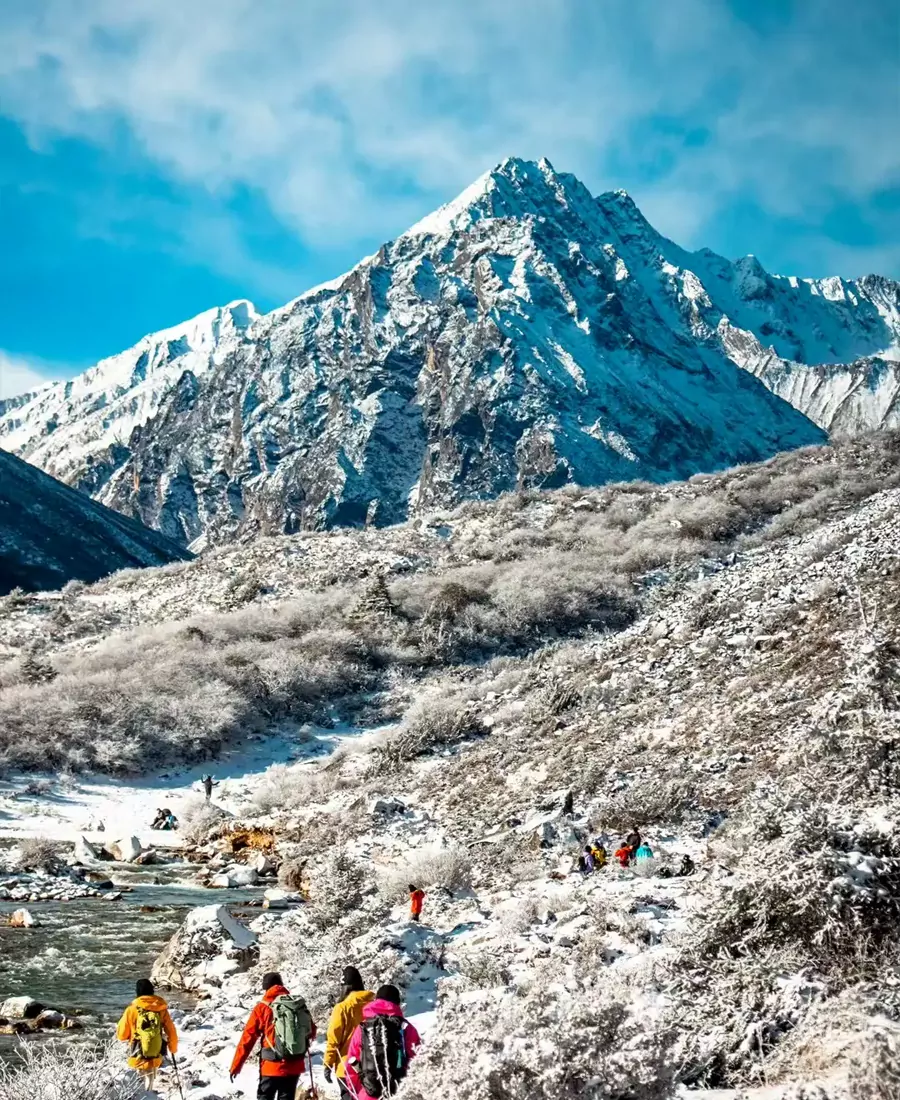
Day 3: Glacier Viewpoint & Main Ice Lake Loop (13 km, 7–8 hours)
05:45 Optional early wake-up for pre-dawn golden light on the pyramid peak; hot drinks will be ready at camp. After full breakfast we strike camp and continue uphill onto the lateral moraine of the glacier system. The terrain changes from soft grass to loose grey rock moraine, which requires careful footing. We climb toward the primary viewpoint, reaching the shore of the main glacial lake (4550m) around mid-morning. Here we have extended time for photography, watching light shift across the ice face and lake surface. We carry a light picnic lunch and stay long enough to explore secondary smaller tarns nearby, before completing a 4 km loop along the moraine ridge for alternative angles on the glacier. We then move to the higher overnight campsite close to the lake basin. Winds often pick up in the late afternoon; we reinforce tent pegs before dinner. Overnight camping.
Day 4: Ridge Side Traverse & Optional Hot Spring Foot Soak (9 km, 5–6 hours)
07:15 Breakfast, pack camp. Today's route is a high ridge traverse rather than big vertical gain. We follow the moraine ridge west, opening up fresh panoramic views across neighbouring side valleys and toward the Gongga massif when visibility is good. The traverse includes rolling ups and downs over rocky knolls, with shorter rest stops. By midday we descend gradually into a sheltered side valley famous for natural low-temperature hot springs. We pause for lunch here, and guests may choose to soak their feet in the thermal pools (no full swimming; guide tests water temperature first for safety). After the rest period we continue along the valley floor to our final wilderness campsite, in a protected hollow out of the strongest plateau winds. Hot trekking dinner, early rest. Overnight camping.
Day 5: Descend to Laoyulin Village → Transfer back to Kangding
07:30 Breakfast and camp breakdown. Today is predominantly downhill, following the herder trail back along the valley we climbed on Day 2. We take a slower pace on loose rocky sections to protect knees, stopping at familiar stream crossings and meadows for final photos. We reach Laoyulin Village by early afternoon, where our 4WD vehicle waits. Village lunch with our host family, then begin the return drive to Kangding. Drop-off at central Kangding hotels around 16:30–18:00, subject to plateau road conditions. Tour concludes.
Included Kangding round transfer, certified high-altitude Tibetan guide, camping equipment, all trek meals, protected area entry permit, emergency oxygen cylinder (for emergency use only), group first aid kit.
Excluded High-altitude travel insurance, alcohol, personal snacks, porter fees, pre/post accommodation in Kangding.
FAQ
Q: Is altitude sickness a big risk?
We build in strict acclimatization days and continuously monitor every guest. Guests with heart, lung or uncontrolled blood pressure conditions are not recommended to join.
Q: Can we walk onto the glacier ice?
We only visit safe, designated viewpoints. Stepping onto the unstable glacier ice with hidden crevasses is strictly forbidden.
Q: What is the temperature at night?
Night temperatures can drop well below freezing even in summer. A high-quality down sleeping bag rated to -10°C or colder is mandatory.