Destinations: China Maritime Silk Road Tour
This immersive Maritime Silk Road itinerary is built around Quanzhou, the celebrated UNESCO World Heritage "Starting Port of the Song‑Yuan Maritime Silk Road". Back in the 10th–14th centuries, this was one of the world's busiest global ports, where merchants, sailors and religious pilgrims from Arabia, Persia, India and Southeast Asia converged, traded porcelain, silk, tea and spices, and left behind a rare living record of peaceful cross-cultural exchange. Unlike many heritage routes that only show museum artefacts, this tour weaves together active residential neighbourhoods, working fishing villages, ancient port ruins, multi-faith shrines and craft workshops that once supplied export goods for overseas markets. You will walk the same lanes that foreign traders once roamed, examine relics recovered from sunken cargo ships, experience local Minnan folk customs, and understand how this coastal city connected China to the wider pre-modern world. The pace is thoughtful and unrushed, designed for history lovers, cultural travellers, small private groups and overseas educator groups. All transfers are private, with English-speaking guides who can contextualise global trade history rather than just introduce scenic spots.
Highlights
Day1: Arrival in Quanzhou.
Meet your English guide and driver at Quanzhou Jinjiang Airport or high-speed railway station, private transfer to a boutique hotel in the old city centre. Settle in and rest from travel. Late afternoon, start a gentle walking introduction to West Street, the historic artery of ancient Quanzhou. Visit Kaiyuan Temple, founded over 1,300 years ago, famous for its twin stone pagodas decorated with multicultural stone carvings from the sea-trade era. Your guide explains how Buddhist faith coexisted alongside other foreign religions in this port city. Wander Zhongshan Road, the arcaded colonial-era shopping street, lined with old snack shops and herbal tea stalls. Dinner features classic Quanzhou port food: oyster omelette, rice noodle soup and local fish balls. Overnight Quanzhou.
Day2: Multi-faith heritage & Maritime Museum deep dive.
Morning visit Qingjing Mosque, one of China's oldest surviving Islamic mosques, built by Arab merchants in the Song Dynasty, with distinct Arabian architectural features. Continue to Guandi Temple and Confucian Temple, to observe how Minnan folk belief, Taoism and Confucian culture flourished side by side with imported faiths. After lunch, spend the whole afternoon at Quanzhou Maritime Museum. The collection includes well-preserved cargo porcelain salvaged from sunken trading junks, ancient ship hull fragments, bronze compasses, trade seals and documents left by foreign merchants. Your guide will map out the ancient sea routes from Quanzhou to Southeast Asia, the Indian Ocean and the Arabian Peninsula. Evening optional activity: attend a live Nanyin performance, the ancient Minnan vocal art that travelled along the Maritime Silk Road with migrant communities. Overnight Quanzhou.
Day3: Ancient port, coastal navigation relics & Xunpu fishing village.
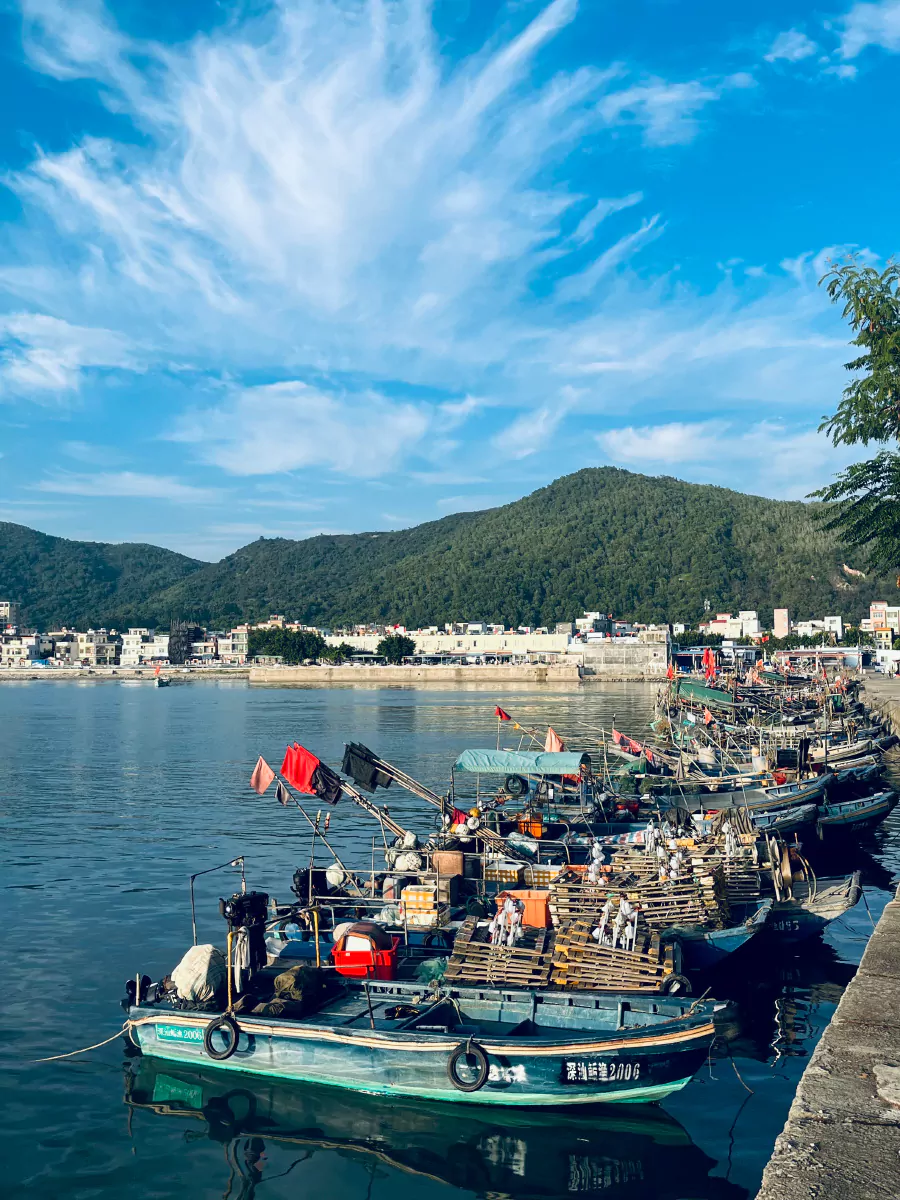
Early morning drive out to Luoyang Bridge, the monumental 900-year-old stone sea bridge crossing tidal estuaries. Learn about its innovative anti-tide foundation design, a critical engineering achievement that supported land‑sea transport for the port. Next travel to Shishi to visit Liushengta (Six Victory Pagoda), the stone coastal beacon tower that guided merchant ships safely through dangerous shoals into Quanzhou harbour. In the afternoon, arrive at Xunpu Fishing Village. Local fisherwomen will help you dress in traditional blue Minnan blouses and arrange the iconic flower hairpin headdress. Tour the village's distinctive oyster‑shell houses, built from discarded oyster shells stacked into thick, cool walls, a local building technique born from coastal maritime life. Watch fishermen sort seafood and repair nets before sunset. Return to Quanzhou old town. Overnight Quanzhou.
Day4: Day trip to Dehua Porcelain Town.
For centuries, Dehua white porcelain was one of Quanzhou's most valuable export commodities, shipped across the Maritime Silk Road to Southeast Asia, the Middle East and Europe. Drive through rural mountain valleys dotted with old kiln ruins. Visit a family-run porcelain workshop. Watch artisans hand-throw, carve and glaze Blanc de Chine. Take part in a hands-on porcelain shaping experience; your finished piece can be fired and shipped home for an extra fee. Visit the Dehua Porcelain Museum to see original export porcelain recovered from shipwrecks. Return to Quanzhou in the late afternoon. Free evening for independent exploration of local night markets. Overnight Quanzhou.
Day5: Anxi Tieguanyin tea trade day trip.
Tea was another major export cargo of the Maritime Silk Road. Travel to Anxi County, the homeland of Tieguanyin oolong tea. Drive through rolling terraced tea hills. Visit an organic family tea farm. Depending on the season, join tea picking, selecting only tender top shoots. Watch master artisans demonstrate hand rolling and charcoal roasting. Join a formal Minnan Gongfu tea ceremony, learning the traditional ritual of tea tasting that also spread along overseas trade routes. Discuss how tea became a global commodity from this region. Return to Quanzhou before dark. Overnight Quanzhou.
Day6: Final heritage walk & departure.
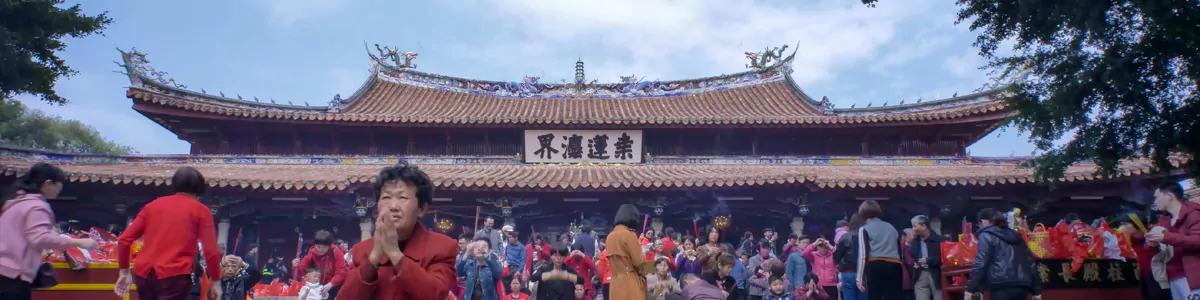
Slow morning stroll through old lanes such as Jinbi Lane and Water Gate Lane, once bustling merchant quarters where foreign traders rented warehouses and lodging. Visit Tianhou Palace (Mazu Temple), the sacred shrine for sailors and ship owners who prayed for safe ocean voyages. Browse small craft shops for souvenirs: handcrafted tea, mini Dehua porcelain and Minnan paper cut art. After lunch, private transfer to Quanzhou airport or high-speed station for onward travel.
Extension Suggestions for this Maritime Silk Road Tour