Destinations: Sydney ↔ Shanghai Direct
This 10‑day English‑language study tour departs and returns via direct Sydney‑Shanghai flights, built for Australian secondary student groups. Aligned with Australian STEM, geography and sustainability curriculum priorities, this itinerary prioritises renewable energy parks, smart manufacturing, eco‑farms, wetland conservation and urban planning visits. The programme is interactive and practical, with hands‑on lab activities, engineering Q&A and peer school exchange. All guides speak fluent English. Learning outcomes and risk assessment documents follow Australian school excursion standards. Visit our Australia Study Tour Help Center for planning resources.
Basic Tour Info
Target group: Australian secondary school student groups
Best travel window: Australian school holidays (April, July, September)
Core themes: STEM, renewable energy, smart city, environmental sustainability, innovation
Start & End airport: Sydney Kingsford Smith (SYD) ↔ Shanghai Pudong (PVG) (direct flight)
Reference Flight Details
Tour Highlights
Day 1 Depart Sydney, Fly to Shanghai
Early morning assembly at Sydney Kingsford Smith Airport. Coordinator conducts group check‑in, passport and invitation documentation verification, baggage tagging and excursion safety briefing aligned with Australian school excursion standards. Students receive tour packs including STEM worksheets, sustainability comparison journal, high‑speed rail engineering notes and safety guidance. Board the direct flight to Shanghai. During flight, students can watch a documentary about China’s renewable energy development or start pre‑tour thinking task: list sustainability challenges shared by Australia and China. Arrive Shanghai Pudong Airport next day. Our English‑speaking educational guide meets the group. Private coach transfers to hotel. Welcome lunch, check‑in and rest to reduce jet lag. Evening orientation walk and group dinner. Overnight in Shanghai.
Day 2 Shanghai – Smart Manufacturing & Tech Park
Morning: Guided visit to an intelligent manufacturing enterprise. Engineers deliver a student‑level presentation on industrial robots, automated production lines, sensor technology and quality control systems. Students tour the production workshop (safe viewing area) and watch robotic arm demonstrations. Interactive Q&A session for STEM questions. Students complete worksheet: identify one automation technology and explain its real‑world application. Afternoon: Visit Shanghai Museum. The guide links ancient Chinese inventions (paper, printing, compass) to modern innovation. Students compare ancient engineering wisdom with today’s high‑tech development. Evening: The Bund walking tour. Students study urban planning, port history and the development of Shanghai as a global trade hub. Group dinner and journal writing.
Day 3 Shanghai – School Exchange
Morning: Australia‑China school pairing exchange. Australian students meet Chinese STEM peers. Activities include classroom observation, student presentations of STEM projects from both schools, mixed‑group problem‑solving challenges and discussion on climate action. Separate teacher meeting to compare Australian and Chinese STEM curriculum, assessment and practical lab programmes. Afternoon: Hands‑on science workshop. Students work in small teams to complete a simple renewable energy model build (small solar car design and testing), guided by local science teachers. Evening: Group dinner and journal time.
Day 4 Shanghai → Suzhou by High‑Speed Train
Morning: Check out and transfer to Shanghai Hongqiao Railway Station. Board high‑speed train to Suzhou. The guide introduces high‑speed rail engineering: track design, power supply, aerodynamics and energy efficiency, treating the train journey as a moving STEM case study. Arrive Suzhou, hotel check‑in and lunch. Afternoon: Visit Suzhou Wetland Ecological Park. Ecologists lead the tour. Students learn about wetland restoration, water purification, native biodiversity protection, invasive species management and carbon sequestration. Students complete field observation worksheets: record plant species, water quality observation and wetland conservation strategies. Evening: Dinner and overnight in Suzhou.
Day 5 Suzhou → Hangzhou by High‑Speed Train
Morning: Check out and take high‑speed train to Hangzhou. Arrival, hotel check‑in and lunch. Afternoon: Visit a clean energy research centre. Researchers present solar photovoltaic technology, distributed wind power systems, energy storage batteries and smart grid management. Students view demonstration units and discuss how both China and Australia are expanding renewable energy to reduce fossil fuel reliance. Evening: Group dinner and rest.
Day 6 Hangzhou – Eco Tea Farm & Sustainable Agriculture
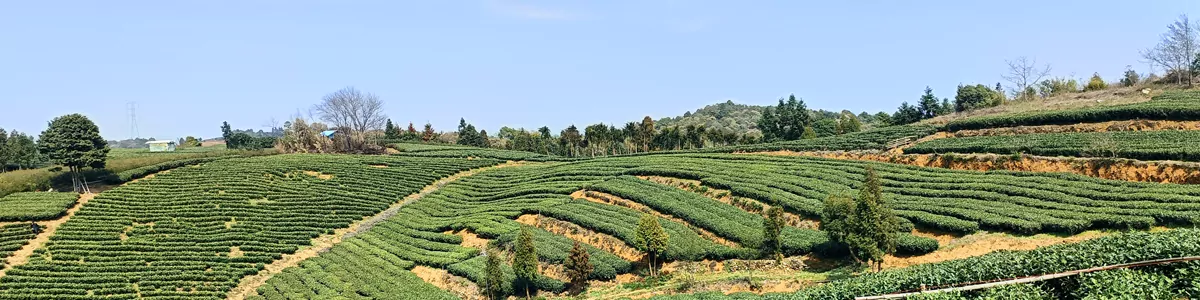
Morning: Field trip to an organic tea plantation. Farmers explain low‑carbon agriculture, organic pest control, water‑saving irrigation and eco‑friendly fertiliser systems. Students walk the terraces, learn about shade management for tea plants and take part in supervised tea picking. Discussion topics: sustainable farming, food miles and certification systems. Afternoon: Visit a leading e‑commerce enterprise. The presentation covers supply chain operation, green packaging, low‑carbon logistics and cross‑border digital trade. Students explore how digital platforms help farmers sell products directly to consumers. Evening: Dinner and overnight in Hangzhou.
Day 7 Hangzhou → Shanghai by High‑Speed Train
Morning: Check out and return to Shanghai by high‑speed train. Lunch after arrival. Afternoon: Visit the Shanghai Urban Planning Exhibition Centre. Students learn about megacity sustainable planning: public transport networks, green space allocation, flood control, energy‑efficient buildings and population management. Students compare Shanghai city planning with Australian cities such as Sydney or Melbourne. Evening: Group dinner and rest.
Day 8 Shanghai – Environmental Education Workshop
Morning: Structured group project work. Students are divided into teams. Each team selects one environmental topic (renewable energy, wetland protection, sustainable agriculture, low‑carbon transport) to compare policies and practices in China and Australia. Teams collect photos, notes and data from earlier visits to build their presentation. Our guide and English‑speaking tutor support each team. Afternoon: Project preparation continues, including slide outline and speaking script drafting. Evening: Free time for journal writing and rest.
Day 9 Final Reflection & Farewell
Morning: Formal student presentation session. Each team delivers their sustainability comparison presentation. Teachers and guides provide feedback. Students complete excursion evaluation forms and learning portfolios. We issue digital certificates for all participants. Guided souvenir shopping. Evening: Farewell group dinner. Students pack luggage for departure. Overnight in Shanghai.
Day 10 Shanghai → Sydney Direct Flight Home
Early hotel check out. Coach transfer to Shanghai Pudong Airport. Our coordinator assists teachers with customs, declaration and group boarding. Board direct flight back to Sydney. Arrive Sydney, tour ends.