Destinations: London ↔ Beijing Direct
This 12‑day English‑language study tour flies direct London‑Beijing, designed for British students focusing on History, Archaeology, Biology and Geography. The itinerary begins in Beijing with iconic imperial heritage sites, museum source analysis, the Great Wall engineering field study and aerospace visits. The group then travels by high‑speed rail to Chengdu for giant panda conservation research, ancient Shu civilisation at Sanxingdui and local cultural immersion. The programme is built around source‑based historical enquiry, heritage conservation debate and wildlife biology fieldwork, with tasks that map directly to UK History and Biology GCSE / A‑Level assessment criteria. All educational materials, risk assessments and teacher documentation meet British school excursion standards. English‑speaking guides deliver academic‑level commentary suitable for coursework and EPQ projects. Visit our UK Study Tour Help Centre for logistics guidance.
Basic Tour Info
Target group: British secondary school student groups (Year 9–13, History / Biology / Mandarin focus)
Best travel window: UK school holidays (Easter, Summer Half‑Term, October Half‑Term)
Core themes: Imperial Chinese history, archaeology & source analysis, Great Wall defensive engineering, giant panda conservation, ancient Shu civilisation, heritage preservation debate
Start & End airport: London Heathrow (LHR) ↔ Beijing Capital (PEK) direct flight
Reference Flight Details
Note: Flight times are for reference only; group seats are reserved 3–5 months before departure.
Tour Highlights
Day 1 Depart London, Fly to Beijing
Late afternoon assembly at London Heathrow Airport. Our UK coordinator organises group check‑in, passport and invitation document verification, baggage tagging and full excursion safety briefing aligned with British school safeguarding requirements. Students receive their tour pack: archaeology source booklets, giant panda biology observation worksheets, heritage debate prompt cards and journal booklets. The pre‑flight briefing covers heritage site etiquette, rules for photographing artefacts and how to record evidence for historical enquiry. The group boards the overnight direct flight to Beijing. Onboard, students watch a short documentary on Chinese imperial history and panda conservation, and start the opening task: compare a famous British heritage site (e.g. Stonehenge, Hadrian’s Wall) with the Great Wall. The flight arrives in Beijing the following afternoon. Our English‑speaking educational guide meets the group. Private coach transfers to the hotel. Welcome dinner, check‑in and early rest to ease jet lag. Overnight in Beijing.
Day 2 Beijing – Tiananmen Square & the Palace Museum (Forbidden City)
Morning: Guided visit to Tiananmen Square. The guide explains public urban space design and modern Chinese history, with source discussion for history students. The group then enters the Palace Museum. The educational guide focuses on Ming and Qing imperial architecture, timber frame structural engineering, drainage systems, symmetrical layout and ritual function. Students complete worksheet tasks to identify ancient engineering solutions for large‑scale palace construction and record observations on how buildings communicated status and power. Afternoon: Explore the museum’s jade, porcelain and court artefact galleries. Students practise source analysis: they select one artefact, describe its features and infer what it reveals about imperial society and trade networks. Evening: Group dinner and journal writing.
Day 3 Beijing – Great Wall Field Study
Full‑day educational trip to Badaling Great Wall. The guide explains the construction timeline, military defence system, watchtower design, signalling networks and how builders adapted the structure to mountain terrain. Students hike a gentle, safe section of the wall, stopping at observation points to sketch the ridge layout and record notes for their engineering and geography log. Afternoon: Dedicated heritage conservation session. The conservation officer explains erosion control, stabilisation techniques and the tension between tourism access and site protection. Students join a structured debate: “Should heritage sites restrict visitor numbers to preserve them?” Evening: Return to Beijing, dinner and rest.
Day 4 Beijing – Aerospace & New Energy Vehicle Enterprise Visit
Morning: Visit an aerospace science exhibition hall. Professional engineers deliver a student‑friendly presentation on China’s space programme, satellite technology, crewed space missions and lunar exploration. Students view rocket models, spacesuit replicas and mission imagery, with an extended Q&A for students interested in space science and engineering. Afternoon: Visit a new energy vehicle manufacturer. Students learn about electric motors, battery chemistry, charging infrastructure and transport decarbonisation. Discussion compares EV policy and adoption in China and the UK. Evening: Rest and journal time.
Day 5 Beijing – UK‑China School Exchange
Morning: UK‑China school pairing exchange. British students meet Chinese peers, join history and biology classes, deliver short presentations on British heritage or UK wildlife conservation, and take part in joint group enquiry activities. The teacher meeting compares history syllabi, fieldwork protocols and practical science safety rules. Afternoon: Supplementary STEM workshop: simple model rocket assembly and controlled outdoor launch test. Evening: Group dinner and rest.
Day 6 Beijing → Chengdu by High‑Speed Train
Morning: Check out, transfer to Beijing West Railway Station and board high‑speed train to Chengdu. This long cross‑country rail journey is a core geography case study. The guide introduces high‑speed rail civil engineering, long‑span bridges and tunnel construction, while pointing out the landscape transition from northern dry farmland to the lush, humid Sichuan basin. Students use the travel time to finalise their research outline for the giant panda conservation project. Arrive Chengdu in the evening, hotel check‑in and dinner. Overnight in Chengdu.
Day 7 Chengdu – Giant Panda Breeding Research Base
Full‑day visit to the Chengdu Research Base of Giant Panda Breeding. Resident conservation researchers lead the tour. Students learn about giant panda biology, specialist bamboo diet, reproduction challenges, captive breeding programmes, habitat restoration, wild release projects and anti‑poaching policy. Students observe pandas during feeding and enrichment sessions, and complete biology worksheets: record panda behaviour, document habitat requirements, and compare giant panda conservation programmes with UK endangered species recovery projects. Afternoon: Hands‑on conservation workshop: students learn how scientists collect behavioural data and design enrichment toys to encourage natural foraging behaviours. Evening: Return to hotel, dinner and journal writing.
Day 8 Chengdu – Sanxingdui Museum Ancient Archaeology Visit
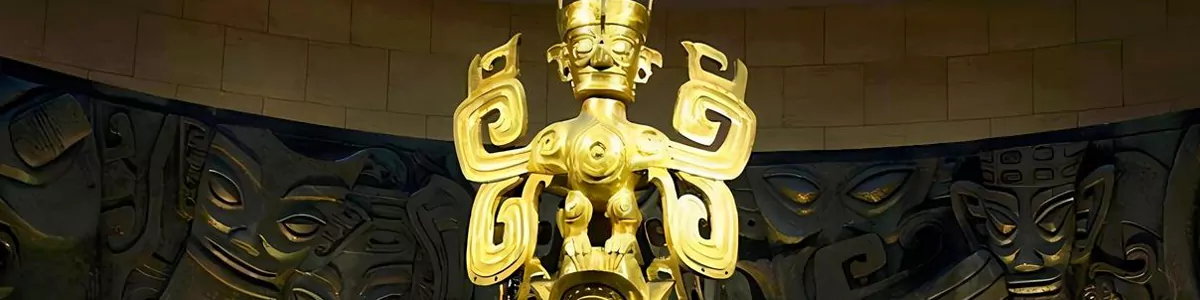
Morning: Guided visit to Sanxingdui Museum. The guide introduces the mysterious ancient Shu civilisation, the excavation process, bronze masks, bronze trees, gold artefacts and burial customs. Students complete source‑based history tasks: compare Sanxingdui culture with other ancient Eurasian civilisations and discuss how archaeologists interpret artefacts without written records. This is a powerful contrast activity for students studying ancient civilisations. Afternoon: Visit the archaeological excavation site viewing area, where students learn about stratigraphy, dating methods and artefact preservation. Evening: Group dinner and rest.
Day 9 Chengdu – Dujiangyan Ancient Water Conservancy Project
Morning: Field trip to Dujiangyan, the 2,200‑year‑old irrigation system. The guide explains hydraulic engineering, flood control, water diversion and how the ancient design continues to support farmland in Sichuan today. Students analyse how pre‑industrial engineers solved complex water management challenges, linking the visit to both history and geography. Afternoon: Visit a nearby ecological reserve. Ecologists introduce subtropical forest ecosystems, native bird and insect species, biodiversity monitoring and citizen science programmes. Students take part in a guided field survey activity. Evening: Return to Chengdu, dinner and rest.
Day 10 Chengdu – Local Culture & Sichuan Opera Experience
Morning: Visit Kuanzhai Ancient Alley, explore traditional Sichuan courtyard architecture and local folk culture. Students join a hands‑on Sichuan craft workshop: paper lantern or shadow puppet making. Afternoon: Guided visit to a local art museum, followed by a Sichuan Opera showcase, including face‑changing performances. Students discuss opera as a living intangible heritage. Evening: Group dinner and presentation preparation time.
Day 11 Chengdu → Beijing by High‑Speed Train
Morning: Check out and take high‑speed train back to Beijing. During the journey, students finalise their conservation and archaeology presentation slides, organise photos and collate all source notes from the two heritage‑rich cities. Arrive Beijing late afternoon, hotel check‑in and dinner. Evening: Final presentation preparation.
Day 12 Beijing – Final Reflection, Farewell & Departure
Morning: Formal student sharing session. Each group presents their archaeology or wildlife conservation findings. Students complete evaluation forms and receive printed participation certificates. Guided souvenir shopping. Evening: Farewell group dinner. Students pack luggage for departure the next morning. Overnight in Beijing.
Day 13 Beijing → London Direct Flight Home
Early morning hotel check out. Coach transfer to Beijing Capital Airport. Our coordinator supports teaching staff with customs and boarding procedures. The group boards the direct flight back to London Heathrow. Arrive in London, tour concludes.