Destinations: World heritage protection and cultural inheritance popular science courses
Core Highlights
Who It Fits
Suitable for international students aged 12–18 who love ancient history, world heritage and cultural inheritance. Perfect for humanities students who want to trace the origin of Chinese civilization and enrich ancient cultural research experience.
Package Includes
Liangzhu civilization themed academic courses and Mandarin teaching fees, world heritage ruins and museum visit tickets, professional heritage research guidance fees, cultural discussion and academic activity costs, full local transportation, accommodation and daily meals, 24-hour safety supervision, official world heritage research certificate. Excludes international airfare, visa fees and personal private expenses.
Day 1: Camp Arrival, Check‑in & Opening Orientation Students arrive in Hangzhou and transfer to the designated camp accommodation. Complete registration, room assignment and receive custom Liangzhu study kits including workbooks, field‑investigation worksheets and camp supplies. In the afternoon, hold the official camp opening ceremony, safety briefing and group ice‑breaking activities. Supervisors explain camp rules, 24‑hour safety management requirements and field‑trip codes of conduct for visiting world‑heritage archaeological sites. In the evening, enjoy themed Mandarin introductory class, focusing on basic vocabulary related to prehistoric archaeology, jade artifacts and ancient farming culture. Group discussion session: what does "5000‑year‑old civilization" mean to you? Overnight at camp accommodation.
Day 2: Themed Mandarin Course & Popular‑Science Lecture on Liangzhu World‑Heritage Value Morning: Ancient‑civilization‑themed academic Mandarin training. Students learn key terminology for Neolithic society, city planning, rice agriculture and ritual jade culture, with listening‑reading exercises based on Liangzhu archaeological materials. Afternoon: Expert‑led popular‑science lecture introducing the historical background of Liangzhu, its UNESCO World‑Heritage significance, the timeline of archaeological discovery, and core evidence that proves 5000‑year‑old Chinese farming civilisation. Students watch documentary clips showing site excavation and heritage‑protection work, follow guided reading of illustrated materials and finish pre‑field‑work workbook tasks. Evening: Review session; prepare notebooks and cameras for upcoming site field investigation. Overnight at camp accommodation.
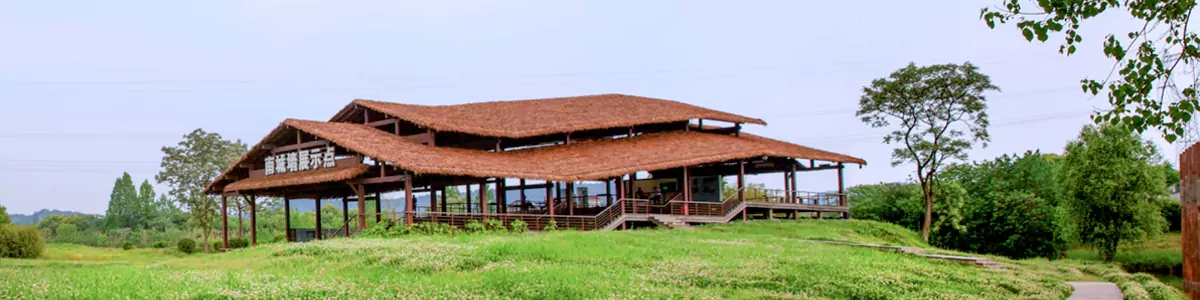
Day 3: In‑depth Field Investigation of Liangzhu Ancient City Ruins Park (Part 1 - City Layout & Palace Zone) Full‑day field study inside the Archaeological Ruins of Liangzhu City, a UNESCO World Cultural Heritage site. Guided by professional heritage researchers. In the morning, visit the southern city‑wall relics to observe rammed‑earth construction techniques including the “grass‑wrapped mud” building method used by Liangzhu ancestors Yuhangmen, Hangzhou. Proceed to Mojiaoshan Palace Platform, the political and ceremonial core of the ancient capital. From the high terrace, students observe the three‑layer city layout: palace zone, inner city and outer city, learning about early state‑level social organisation and large‑scale manpower mobilisation. Lunch at the site‑park visitor centre. In the afternoon, visit granary ruins and water‑system relics to study Liangzhu rice‑farming technology and pre‑historic water‑conservancy engineering. Students complete on‑site observation worksheets and take field notes. Return to camp in late afternoon. Evening reflection seminar: share observations about ancient city construction. Overnight at camp accommodation.
Day 4: In‑depth Field Investigation of Liangzhu Ancient City Ruins Park (Part 2 - Royal Cemetery & Interactive Heritage Experience) Morning: Continue site‑park exploration. Visit Fanshan Royal Cemetery, the high‑rank noble burial site famous for unearthed royal jade cong, jade bi and jade yue ritual artefacts. The researcher explains the burial customs, jade‑based ritual hierarchy and social rank system of Liangzhu society. Students join a simulated archaeological reasoning activity to understand how archaeologists analyse tomb layouts and artefact distribution. Lunch nearby. Afternoon: Hands‑on popular‑science experience session. Students learn basic archaeological knowledge, try simple simulated jade‑crafting exercises and experience the production logic behind Liangzhu jade ornaments. Optional VR immersive experience reconstructing the landscape of 5000‑year‑old Liangzhu ancient city. Return to camp in the late afternoon. Evening group study; organise materials collected during two‑day site visits. Overnight at camp accommodation.
Day 5: Liangzhu Museum Visit, Jade‑Culture Study & Heritage‑Protection Themed Group Discussion Morning: Guided full tour of Liangzhu Museum, designed by world‑renowned architect David Chipperfield. Visit exhibition halls covering ancient water‑land environment, rice‑farming civilisation and the "Soul of Jade" gallery. Students closely view replica and original Liangzhu jade relics including the King Jade Cong, study the iconic god‑human‑beast‑face patterns, craft techniques and ritual functions of jade objects. Guided tasks: record key artefact information in study workbooks. Lunch in Hangzhou. Afternoon: Heritage‑protection themed group discussion and workshop. Students are divided into small teams to discuss challenges of world‑heritage conservation, balance between archaeological excavation and site preservation, and how modern society can inherit Liangzhu cultural legacy. Each group drafts a short group presentation outline for the final‑day academic sharing. Evening free preparation time for group reports. Overnight at camp accommodation.
Day 6: Research Summary, Academic Sharing, Certificate Awarding & Camp Departure Morning: Final camp academic‑sharing session. Each student group delivers short presentations based on their field‑trip notes, museum research and group discussions, showing their understanding of Liangzhu's Neolithic farming society, jade ritual system and world‑heritage value. Academic instructors provide feedback and comments for each group performance. Afternoon: Camp closing ceremony. Review the whole‑camp learning outcomes. All participants receive the official World‑Heritage Research Certificate for completing the Liangzhu Ancient Civilization Heritage Programme. Afterwards students check out of accommodation and transfer to Hangzhou airport / railway station for departure.