Destinations: In-depth visits to leading high-tech enterprises
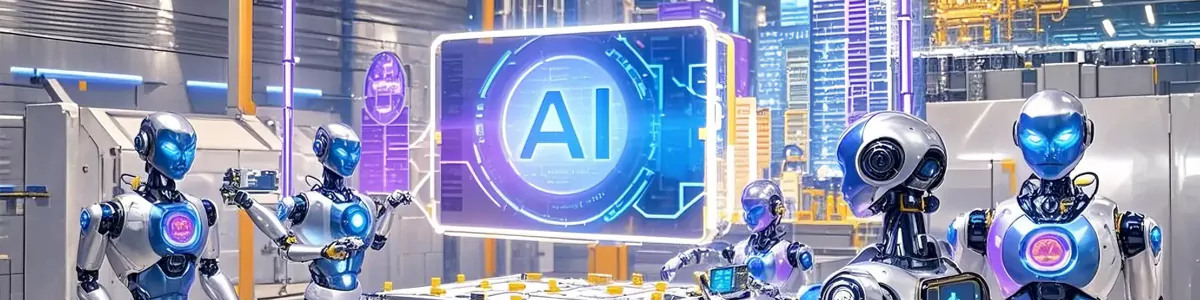
Known as "China's Silicon Valley", Shenzhen is the core engine of China's technological innovation and industrial upgrading, gathering a large number of world-renowned high-tech enterprises and advanced manufacturing bases. This 7-day core tech innovation camp is specially designed for international students interested in science, engineering and future technology. The program focuses on real industry visits and practical tech cognition, allowing students to walk into front-line high-tech enterprises, innovation exhibition centers and smart manufacturing workshops. Students will learn professional popular science knowledge of artificial intelligence, intelligent equipment, new energy technology and digital manufacturing, equipped with tech scenario-based Mandarin courses and innovation thinking training. Different from theoretical classroom learning, this camp combines real industry scenes and hands-on experience to help students intuitively perceive China's technological innovation strength and future industrial development trends.
Core Highlights
Who It Fits
Suitable for international students aged 12–18 who love STEM subjects, technological innovation, artificial intelligence and industrial technology. Ideal for middle and high school students who need to enrich scientific practice experience and expand future engineering and technology vision. No professional tech foundation or advanced Chinese proficiency required.
Package Includes
Tech innovation themed Mandarin courses and industry popular science lectures, all high-tech enterprise and innovation venue visit fees, professional industry tutor interpretation and guidance fees, hands-on tech activity and mini-project materials costs, full local transportation, secure student accommodation and three daily nutritional meals, 24-hour multilingual safety supervision, official tech innovation study tour certificate. Excludes international round-trip airfare, China visa fees, personal travel insurance and personal shopping expenses.
Day 1: Camp Arrival & On‑Site Orientation Students arrive at Shenzhen airport or high‑speed railway station. PandaStudyTour multilingual camp mentors greet and transfer the group to secure student accommodation. After check‑in and room arrangement, students settle in and enjoy welcome dinner. In the afternoon, complete camp registration, distribute camp kits and learning materials. Hold safety briefing covering campus rules, field‑trip discipline, emergency contact protocols and daily schedule introduction. Evening ice‑breaking group activities help international students get familiar with teammates and camp mentors. Overnight at camp accommodation.
Day 2: Shenzhen Innovation Background & Tech‑themed Mandarin Foundation Morning: Guided introductory lecture: "How Shenzhen Grew into China's Silicon Valley". Industry tutors walk through Shenzhen's economic transformation, policy environment, startup ecosystem and the rise of high‑tech industries. Q&A session for students to raise initial questions about Chinese tech development. Afternoon: Scenario‑based Mandarin courses focused on technology vocabulary and workplace‑style daily communication. Lessons are tailored for international teenagers, covering commonly‑used terms for AI, manufacturing and innovation. Students practice simple dialogues that they may use during upcoming enterprise site visits. Evening: Light group assignment: note‑taking preparation for coming field trips; short documentary screening about Shenzhen tech enterprises. Overnight at camp accommodation.
Day 3: Visit High‑Tech Enterprise Clusters & Innovation Exhibition Centers Morning: Private guided visit to leading‑tech enterprise exhibition hall. Students observe product display zones, experience interactive demo exhibits for artificial intelligence, consumer electronics and smart hardware. Professional industry tutor gives on‑site explanation of product design logic, R&D workflows and market‑oriented innovation cases. Students may take guided notes and ask questions for Q&A with enterprise staff. Group lunch nearby the industrial park. Afternoon: Tour innovation incubation base / tech industrial museum. Learn about local startup support mechanisms, talent policies and the whole chain from laboratory idea to mass‑produced product. Compare different innovation models through real‑world enterprise stories. Return to camp in late afternoon. Evening: Review session: students sort out visit notes under mentor guidance, prepare discussion points for the next‑day enterprise tour. Overnight at camp accommodation.
Day 4: Deep‑Dive into Digital Technology & New‑Energy Industry Cases Morning: Second enterprise field trip focusing on digital application and new‑energy technology. Access public‑showcase areas of the factory complex. Tutor explains core concepts including smart sensors, big‑data applications, new‑energy material research and commercial‑scale implementation. Students gain first‑hand understanding of how technical research translates into market‑ready products. Afternoon: Guest popular‑science lecture hosted by industry practitioner. Topics cover global tech competition, challenges and opportunities for young STEM learners. Group discussion: what qualities make a successful tech innovator. Evening: Team brainstorming: start outlining ideas for the coming hands‑on mini‑project. Overnight at camp accommodation.
Day 5: Smart‑Manufacturing Workshop Observation & Hands‑on Project Kick‑off Morning: Guided tour inside authorised smart‑manufacturing workshop. Under safety supervision, students watch automated production lines, robotic arms and digital management systems in operation. Tutors break down how automation optimises efficiency and product quality. Safety protocols are strictly followed throughout the whole workshop visit. Group lunch. Afternoon: Kick‑off of tech‑innovation hands‑on mini‑project. Students are divided into small teams. Mentors distribute activity materials, clarify project tasks and learning objectives. Teams brainstorm project concepts, assign internal roles and draw simple project plans. Evening: Team work session for project preliminary research; mentors offer one‑on‑one guidance for each group. Overnight at camp accommodation.
Day 6: Complete Mini‑Project, Team Presentation Practice & Learning Reflection Morning: Full team working session to build, test and adjust their hands‑on mini‑tech project. Multilingual camp mentors and technical tutors provide on‑site support and problem‑solving advice. Afternoon: Internal rehearsal for team presentations. Every group organises project outcomes, arranges demo flow and prepares short presentation speeches. Group‑to‑group peer feedback session. Students also finish personal learning journals, summarising key insights collected from enterprise visits, lectures and workshop observation. Evening: Casual cultural exchange activity, allowing students to share their impressions of Shenzhen technology and city life. Overnight at camp accommodation.
Day 7: Achievement Showcase, Certificate Ceremony & Camp Departure Morning: Official innovation‑achievement showcase. Each student team delivers a short presentation and demonstrates their mini‑project in front of tutors and peers. Followed by group feedback and closing summary lecture reviewing the full‑camp learning journey. Afternoon: Formal certificate‑awarding ceremony. Every participant receives an official PandaStudyTour Tech Innovation Study‑Tour certificate, which can be added to their STEM‑related academic portfolio. Afterwards students pack luggage, check out of accommodation. Transfer service is arranged to Shenzhen airport or high‑speed railway station for individual or group departure.