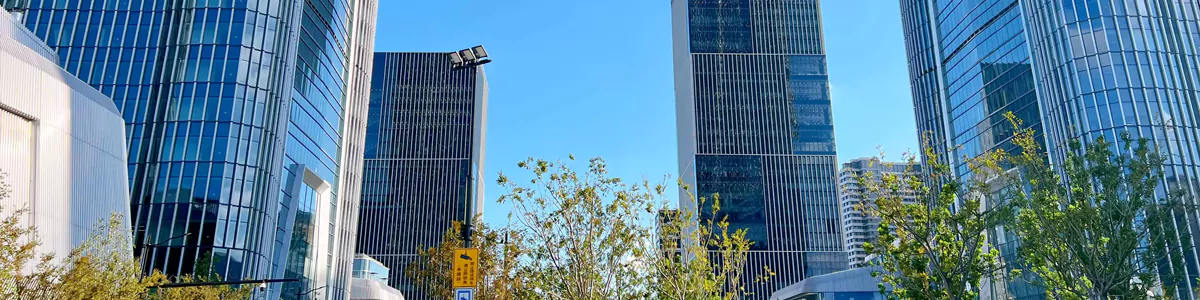
Smart City & Future Life Science Tour
Destinations: Popular science learning of smart transportation
Tour Features:
As a national smart city demonstration zone, Shenzhen has achieved leading results in smart transportation, smart community, green energy-saving construction and future urban life construction. This 5-day future life-themed camp focuses on smart technology serving urban life, leading students to experience the most cutting-edge smart city application scenarios. Students will visit smart community demonstration zones, intelligent transportation systems and green low-carbon urban projects, learn the popular science knowledge of future urban life, and perceive how digital technology changes people's daily life. Combined with relaxed scenario experience and interactive learning, students can intuitively feel the development prospects of future smart cities and expand their future life cognition.
Core Highlights
- On-site experience of smart community and intelligent urban service scenarios
- Popular science learning of smart transportation and digital urban management technology
- Observation and study of green low-carbon and environmental protection urban construction
- Future urban life scenario simulation and interactive experience
- Relaxed and practical future technology life cognition training
Who It Fits
Suitable for all international students aged 12–18, especially for students who love future technology, smart life and environmental protection science. Low learning pressure, strong practical experience, suitable for all language and academic levels.
Package Includes
Smart city popular science courses and scenario experience fees, all demonstration project visit tickets and professional guidance fees, interactive experience activity costs, full accommodation and daily meals, 24-hour safety supervision, official experience certificate. Excludes international airfare, visa fees and personal private consumption.
Itinerary:
Day 1: Camp Arrival, Safety Orientation & Smart City Intro
- Morning: Student arrival and check‑in at camp accommodation. Camp staff complete registration, distribute camp kits, and conduct full safety orientation covering campus rules, activity protocols, emergency contact information and daily schedule briefings.
- Afternoon: Ice‑breaking group activities for international students to build teamwork. Kick‑off opening session: introductory popular‑science lecture about Shenzhen as China's national‑level smart‑city demonstration zone. Students get a general overview of core concepts: smart transportation, digital communities and low‑carbon urban development.
- Evening: Scenario‑based Mandarin class focused on technology‑ and city‑related vocabulary; group discussion about "what does a smart city look like in your home country". Group dinner, nightly check‑in and rest. Overnight: Shenzhen camp accommodation.
Day 2: Smart City Basic Knowledge Learning & Themed Mandarin Immersion
- Morning: Interactive popular‑science course explaining how digital technology supports daily urban life. Instructors use short videos, case studies and group Q&A to unpack key topics: big‑data city management, IoT household devices and future‑city development trends.
- Afternoon: Scenario‑driven Mandarin workshop. Students learn practical Chinese expressions used in smart communities, public transport and green‑building scenarios, with role‑play practice simulating real‑life city service interactions. Short group brainstorm: “Design one small smart function for our ideal community”.
- Evening: Documentary screening about Shenzhen’s urban transformation; students take quick notes for follow‑up field visits. Daily debrief session. Overnight: Shenzhen camp accommodation.
Day 3: Field Study - Smart Community & Digital Urban Service Demonstration Sites
- Morning: Guided on‑site field trip to a benchmark smart‑community demonstration zone. Under professional interpreters and technical guides, students observe real‑world applications: intelligent property management, AI‑powered community security systems, smart environmental monitoring and one‑stop digital citizen service terminals. Students may try simple interactive terminals for hands‑on experience.
- Lunch: Group meal at local restaurant near the site.
- Afternoon: Continue community‑site study; compare differences between traditional neighbourhoods and smart‑managed communities. Group photo and site Q&A with on‑site technical specialists. Return to camp venue.
- Evening: Workshop session: students sort out observation notes; share first‑hand impressions of smart‑community services. Overnight: Shenzhen camp accommodation.
Day 4: Field Study - Smart Transportation & Green Low‑Carbon Urban Construction
- Morning: Visit intelligent transportation demonstration projects in Shenzhen. Students learn about smart traffic signal adjustment systems, connected public transit services and data‑driven traffic management platforms. Observe how real‑time data optimises urban road efficiency. Hands‑on simulation activities for traffic‑flow analysis.
- Lunch: Group dining.
- Afternoon: Tour green low‑carbon urban construction projects. Students explore energy‑saving building designs, renewable‑energy facilities and eco‑friendly public‑space planning. Participate in interactive environmental‑science exercises linked to city carbon‑reduction goals.
- Evening: Group project preparation: students work in small teams to organise field‑trip findings and prepare short sharing presentations for the closing day. Overnight: Shenzhen camp accommodation.
Day 5: Experience Summary, Sharing Session, Certificate Awarding & Camp Departure
- Morning: Camp closing activities. Small‑group presentation & thinking‑sharing session: each team presents their observations and creative ideas for future smart‑city life, combining what they learned from lectures and site visits. Mentors provide feedback and guidance for every group.
- Mid‑day: Closing ceremony. Official experience certificates are awarded to each participating student. Group camp photo session. Closing group lunch.
- Afternoon: Check‑out from accommodation. Students depart; camp staff provide transfer assistance to airport / train station according to pre‑arranged schedules.