Destinations: Winter Ecology Science Study Camp
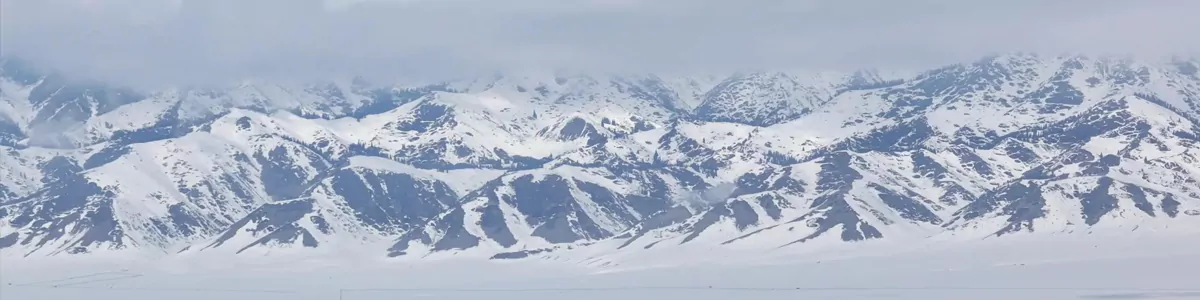
This rigorous science camp is custom‑built for overseas STEM student groups with strong interest in earth science, geology, ecology and renewable energy. Xinjiang's diverse landscapes - alpine mineral zones, wind‑shaped yardang landforms, frozen high‑altitude lakes and winter Gobi desert - form a natural geological laboratory. Students will work alongside professional geologists and ecologists, learning practical fieldwork skills including rock identification, landscape sketching, environmental data recording and scientific observation. The itinerary covers rare metal mining sites, wind power bases, oil industry exhibition halls and the famous frozen Sayram Lake, where blue ice and ice bubbles create spectacular geological phenomena. Students will explore how natural resources are discovered, extracted and used sustainably, and compare fragile desert and alpine ecosystems. Every student group will compile a complete scientific observation report and present findings at the closing ceremony. This program suits high school and university students taking geography, earth science, environmental science and energy engineering courses.
Target Group: STEM students, geography / earth‑science student delegations
Duration: 9 Days / 8 Nights
Tour Highlights
Day1 Urumqi Arrival
Your student group arrives at Urumqi Diwopu International Airport. Our camp team meets you, completes transfer arrangements and escorts the group to the hotel. After check‑in, we hold the opening orientation. We hand out science research workbooks, magnifying glasses, field notebooks and other simple survey tools. Our geologist instructor delivers a brief pre‑camp briefing introducing Xinjiang's huge geographical span, major tectonic zones and the core learning goals of this geology camp. We also cover strict safety rules for field trips in remote winter wilderness areas. In the evening, students rest and prepare for the science visits ahead.
Day2 Urumqi Science & Industry Visit
Morning: Guided tour at Xinjiang Geological and Mineral Museum. Students view rock, mineral, fossil and paleontology exhibits. Our geologist explains regional tectonic movement, the formation of mountain ranges, the distribution of mineral resources and the geological history of Xinjiang over millions of years. Students learn how to identify common rock types and mineral crystals. Afternoon: Field trip to Dabancheng wind‑energy base. Students visit wind turbine sites, walk through the wind farm and receive a detailed introduction to wind power generation principles, power grid transmission, equipment maintenance and the development roadmap of clean energy in western China. We also discuss the balance between energy development and ecological protection. Evening: Expert Q&A session, where students can ask technical questions about renewable energy and geology.
Day3 Urumqi → Koktokay
We depart Urumqi early by private coach and travel toward Koktokay. The journey crosses wide open basins and mountain passes, with opportunities to observe changing landforms along the road. After arriving in Koktokay and checking into the hotel, we hold a pre‑visit briefing for the No.3 Mine geological site. Our instructor explains the mine's history, rare metal vein formation, geological survey knowledge and all field safety requirements, including rules for walking on rocky slopes and handling mineral specimens. Students prepare their field recording sheets.
Day4 Koktokay Geological Field Study
Full‑day field study at Koktokay No.3 Mine, known as a natural geological museum. Under the direct guidance of our geological instructor, students walk along designated safe observation routes. They examine different mineral veins, identify crystal structures, sketch rock layers and learn about the mine’s ecological restoration projects after mining. Students carefully record field data, take photos and make sketches in their science workbook. In the evening, the group gathers to sort collected data, organize photos and discuss the geological features they observed.
Day5 Koktokay → Karamay
We set off for Karamay in the morning. The driving route passes through the winter Gobi desert. We make several scheduled stops along the way for ecology field observation. Students observe drought‑resistant desert plants, learn how these species survive freezing temperatures and strong winds in the Gobi, and document plant adaptation strategies. We arrive in Karamay in late afternoon and check into the hotel. Evening free time for rest.
Day6 Karamay: Yardang Landform & Energy Industry
Morning: Visit Urho Ghost City, a famous yardang landform area. Our geologist explains the wind‑erosion process that carved these unique rock shapes over thousands of years. Students complete outdoor field sketching tasks, drawing the yardang landscape and recording wind‑erosion features. Afternoon: Visit the local oil industry exhibition hall. Students learn about the discovery of oil resources in Karamay, petroleum extraction technology, the development of western China's energy industry and the shift toward low‑carbon energy. Evening: Science group discussion, students compare fossil energy and renewable energy cases they have seen so far.
Day7 Karamay → Sayram Lake
We drive to Sayram Lake in the morning. After arriving and checking into lakeside accommodation, we head to the frozen lake for fieldwork in the afternoon. Our instructor leads the group on controlled lakeside observation routes. Students observe famous blue ice, ice bubbles, ice cracks and layered ice structures. We explain how these ice features form under specific temperature and water conditions. Safety rules are emphasized repeatedly: students are only allowed on ice within the designated, inspected safe zone.
Day8 Sayram Lake Field Research & Return to Urumqi
Morning: Continue limited lakeside field investigation. Students finish their ice‑phenomenon observation worksheets, take measurement notes and collect photographic evidence for their science reports. After the field session, we pack up and start the long drive back to Urumqi. During the drive, instructors lead casual review discussions about the whole geology journey. In the evening after arrival in Urumqi, students work in teams to prepare their final science presentation.
Day9 Urumqi Closing & Departure
The morning is dedicated to science achievement presentations. Each student group presents their geological and ecological research findings to the whole camp and our geologist panel. After presentations, we award study certificates and hold group photos. Later, transfer to Urumqi Diwopu Airport for international departure flights.