
For international visitors combining medical treatment and travel in China, picking suitable sightseeing plans that align with physical recovery is just as important as arranging hospital visits. Beijing, Shanghai, Chengdu and Guangzhou host China's top international medical facilities while offering distinct cultural experiences. Every destination has gentle low-energy routes for post-operation rest, relaxed city walks for mild chronic conditions, and richer cultural itineraries for fully recovered patients. This guide breaks down accessible local attractions in each core medical city, plus clear rules to match sightseeing intensity to your health state, so you can enjoy Chinese culture without straining your body or disrupting treatment schedules.
Sightseeing & Cultural Highlights of Four Major Medical Cities
Each city balances convenient transport from central hospital zones, flat walkways, rest facilities and unique cultural features, with tiered activity options built for medical travelers.

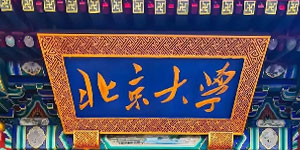
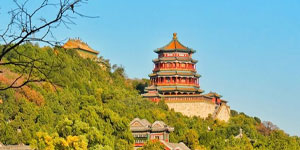
Beijing blends imperial history and quiet urban green spaces close to major hospitals. Peaceful, flat options include Tiananmen Square and the Palace Museum, both with full wheelchair access and plenty of shaded seating for slow, unhurried visits. Lush urban parks like Jingshan Park's lakeside trails and Yuyuantan Garden offer soft outdoor relaxation ideal for light recovery breaks. Cultural light activities cover tranquil art galleries and old alley walks along Dongjiaominxiang, with quiet teahouses dotted along the route for frequent rest stops. Visitors with more energy can add curated short cultural workshops featuring calligraphy and traditional painting, while we avoid steep mountain routes such as full-day Great Wall hikes for anyone still recovering from surgery or long treatment cycles.
Shanghai delivers modern waterfront scenery and mild urban cultural experiences within short drives from international medical centers. Century Park serves as the city's top recovery-friendly green space, featuring wide flat lakeside paths, shaded lawns and slow boat rides that require minimal walking. The West Bund Art Zone and Columbia Circle offer low-key art browsing with cafes spaced between exhibition halls, perfect for slow afternoon outings. Historic riverside routes along the Bund feature flat promenades with bench seating for casual city viewing, and we arrange light local food tasting tours in pedestrian-only blocks without crowded long-distance walking. More energetic travelers can add old lane exploration in Wukang Road, while strenuous cross-city day trips are reserved only for guests cleared by their attending doctors.
Chengdu stands out for laid-back Sichuan culture and gentle nature spots, perfectly suited for slow post-treatment recuperation near West China Hospital and other top medical institutions. The Giant Panda Breeding Base features flat paved viewing paths and rest pavilions, letting guests observe pandas at a leisurely pace without steep climbs. Classical cultural sites including Du Fu Thatched Cottage and Wuhou Shrine maintain smooth barrier-free trails and garden seating for quiet strolling. Urban green spaces like Huanhua Creek Park and Xinglong Lake offer wide lakeside boardwalks ideal for light daily walks between follow-up appointments. Local signature soft experiences cover slow Sichuan tea ceremonies and short handicraft workshops, while mountain day trips to Qingcheng Mountain are only scheduled once full recovery is confirmed.
Guangzhou, a hub for TCM and general international medical care, provides mild subtropical waterfront and Cantonese cultural experiences close to major hospital clusters. Shamian Island features quiet European-style flat streets, shaded greenery and waterfront benches for slow relaxed walks, free of steep slopes or dense crowds. City ecological parks such as Luhu Park offer lakeside viewing paths and open-air seating for light outdoor relaxation. Signature low-intensity cultural experiences include slow morning Cantonese dim sum tastings and brief Lingnan craft viewing sessions at local ancestral halls. For guests with more stamina, short canal boat tours along the Pearl River deliver gentle sightseeing with zero walking pressure, while long suburban hiking routes are excluded from itineraries for all patients still undergoing treatment or recent recovery.
How to Match Sightseeing Intensity to Your Personal Recovery Status
We divide all travel arrangements into three clear tiers based on typical recovery stages, with every schedule built to put hospital visits first and adjust activity levels flexibly if you feel fatigued.
Guests in immediate post-operation or weak chronic condition recovery follow our lowest-intensity leisure tier, limited to short, flat park walks, indoor gallery visits and brief tea or food tasting experiences within 20 minutes' drive of your accommodation. All routes include frequent rest areas and private vehicle drop-off directly at venue entrances to cut walking distance, with no full-day outdoor excursions scheduled. We shorten all activity durations and build long midday rest windows back at your lodging to avoid exhaustion that may impact your follow-up medical checks.
Visitors with mild stable health conditions and no recent surgery qualify for moderate-tier sightseeing, mixing half-day city cultural routes, short garden tours and signature local light cultural workshops. These itineraries space out walking segments with private vehicle transfers between sites, avoid peak crowded hours, and can be paused or shortened at any time with no extra fees. We still skip strenuous cross-city trips and multi-hour outdoor exposure to prevent over-tiring before your next hospital consultation.
Fully recovered patients cleared by their attending doctor can enjoy full standard cultural itineraries, including landmark full-day city tours, suburban scenic spot visits and complete traditional study workshops that showcase each city's core culture. Even at this tier, we avoid rushed back-to-back schedules and maintain flexible rest breaks to keep travel comfortable after lengthy medical treatment periods.
Across all three tiers, our core scheduling rule remains unchanged: any planned sightseeing activity will be immediately rescheduled or fully cancelled free of charge if your doctor recommends quiet rest after a consultation, ensuring your medical recovery always takes priority over travel plans.
Conclusion
Beijing, Shanghai, Chengdu and Guangzhou each offer abundant low-stress cultural and natural sightseeing options tailored to medical travelers, with every route designed to balance cultural experience and physical comfort. By matching the intensity of city attractions to your unique recovery progress, we craft relaxed medical travel schedules that let you explore authentic Chinese culture without compromising your treatment and recuperation. If you would like a fully customized city sightseeing plan aligned with your hospital appointment timeline and health state, submit an inquiry form via our official website, and our dedicated customer service team will prepare a tailored leisure itinerary within 24 hours.
