
For international travelers visiting China, Traditional Chinese Medicine (TCM) is far more than a medical system - it is a 2,000-year-old living culture, a philosophy of balance, and a deeply sensory experience. From the quiet focus of pulse-taking to the warmth of moxa smoke, TCM offers travelers a unique window into Chinese wellness wisdom. At PandaStudyTour, we curate authentic, safe, and professionally guided TCM experiences as part of our medical tourism programs, connecting visitors with licensed practitioners in reputable hospitals and wellness centers across China. Below are the traditional treatments and practices you can look forward to.
Pulse diagnosis is one of TCM's most iconic diagnostic arts. The practitioner rests three fingers on the patient's wrist, sensing the quality, rhythm, and strength of the pulse at different positions - believed to reflect the condition of internal organs. For travelers, a pulse diagnosis session is a fascinating, calming introduction to TCM's holistic approach. It is often paired with a constitution analysis, which identifies your TCM body type (such as Qi-deficient, Yin-deficient, or Damp-heat) and offers personalized lifestyle, dietary, and exercise recommendations.
Recognized by UNESCO as an Intangible Cultural Heritage, acupuncture involves the gentle insertion of ultra-thin, sterile needles into specific points along the body's meridian pathways. It is widely used for pain relief, stress reduction, sleep improvement, and overall balance. Many first-time travelers are surprised by how relaxing the experience is - often described as a mild tingling or warmth, followed by deep calm. PandaStudyTour arranges sessions only with licensed, experienced acupuncturists in certified clinics.
Made famous by athletes and celebrities worldwide, cupping uses glass or silicone cups placed on the skin to create suction, drawing blood flow to the surface and releasing tension in muscles and fascia. The cups may be left in place (static cupping) or glided across the skin with oil (moving cupping). The temporary circular marks left on the skin are a hallmark of the treatment and typically fade within a few days. Travelers often seek cupping for back pain, neck stiffness, respiratory congestion, and deep relaxation.
Gua Sha, meaning "to scrape away illness," uses a smooth-edged tool (often jade, buffalo horn, or stainless steel) to stroke the skin with firm pressure, creating temporary redness called "sha." This traditional technique is believed to promote blood circulation, release stagnant Qi, reduce inflammation, and ease muscle pain. A facial Gua Sha session is also increasingly popular as a natural, non-invasive beauty treatment that reduces puffiness and promotes lymphatic drainage.
Moxibustion involves burning dried mugwort (moxa) near or on specific acupuncture points to deliver gentle, penetrating warmth. The practice is believed to nourish Yang energy, improve circulation, warm the meridians, and strengthen the body's defenses. Travelers often find the aromatic smoke and slow, radiant heat deeply soothing - especially for joint pain, digestive discomfort, and cold-related conditions. Variations include direct moxa (a small cone placed on the skin) and indirect moxa (held above the skin or placed on a ginger or garlic slice), with indirect being the most common for first-time visitors.
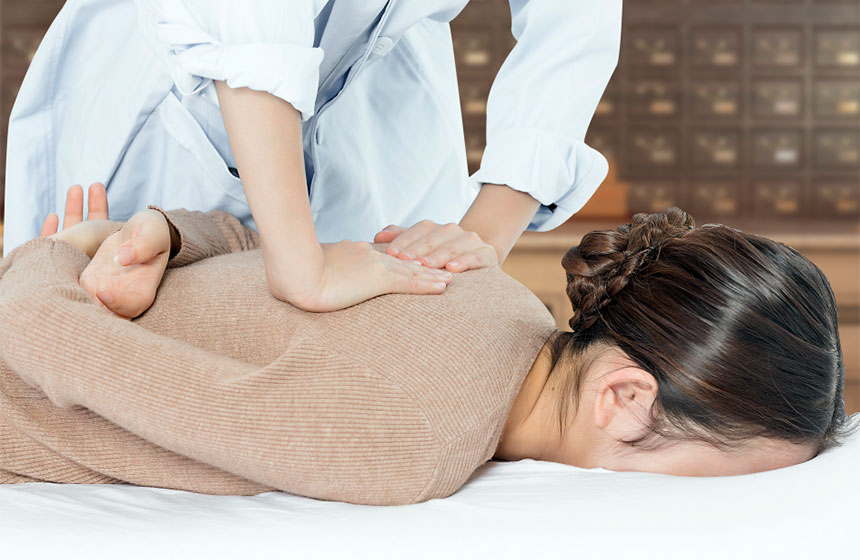
Tui Na is TCM's therapeutic bodywork - a rhythmic, targeted massage that combines kneading, rolling, pressing, and stretching techniques along meridians and muscle groups. Unlike a relaxing spa massage, Tui Na is focused and therapeutic, often used to treat specific musculoskeletal issues, digestive disorders, and stress-related tension. Many travelers combine a Tui Na session with acupuncture for a comprehensive treatment.
Foot reflexology is one of the most accessible and enjoyable TCM experiences for travelers. Based on the principle that zones on the soles of the feet correspond to organs and systems throughout the body, a foot reflexology session involves soaking the feet in warm herbal water followed by firm, targeted pressure on specific reflex points. It is deeply relaxing, improves circulation, and is believed to support overall organ function. Foot massage parlors are ubiquitous in Chinese cities, and PandaStudyTour can recommend clean, reputable establishments with English-speaking staff.
TCM is not only about treatments - it is deeply woven into daily food and drink. Medicinal cuisine (药膳) combines fresh ingredients with TCM herbs to create dishes that are both delicious and nourishing - such as goji berry and chicken soup, lotus seed porridge, or chrysanthemum-infused desserts. Herbal tea (中药茶饮) offers personalized blends tailored to your constitution: chrysanthemum and goji for eye strain, rose and hawthorn for digestion, or ginger and red dates for warmth. A PandaStudyTour TCM experience often includes a visit to a traditional herbal pharmacy, where you can see, smell, and learn about hundreds of dried herbs, roots, and fungi.
For travelers seeking movement-based wellness, Tai Chi and Qigong are unmissable. Often practiced at dawn in parks across China, these slow, flowing martial arts combine gentle movement, deep breathing, and mental focus. Tai Chi is known for improving balance, flexibility, and calm, while Qigong focuses more on cultivating and circulating life energy (Qi). PandaStudyTour can arrange private or group classes with certified instructors in iconic settings - such as a morning session by the Yellow Mountains or beside Shanghai's Bund.
Ear acupressure, or auriculotherapy, applies small seeds or magnetic beads to specific points on the outer ear, which correspond to different parts of the body. The patient gently presses the seeds throughout the day to stimulate the points continuously. It is commonly used for stress, insomnia, weight management, smoking cessation, and pain relief. The seeds are discreet, comfortable, and can be left in place for several days - making it a perfect take-home TCM experience for travelers.
Herbal steam therapy involves sitting or lying in a steam cabin infused with a customized decoction of Chinese herbs. The warm steam opens the pores, allowing herbal compounds to be absorbed through the skin while promoting sweating and circulation. It is often used for joint pain, skin conditions, respiratory issues, and post-illness recovery. Many travelers find a herbal steam session followed by a Tui Na massage to be the ultimate relaxation experience.
Drawing on TCM's five-element theory (Wood, Fire, Earth, Metal, Water), this facial treatment uses herbal masks, facial Gua Sha, acupressure, and meridian massage to balance the skin and the body holistically. Rather than a one-size-fits-all facial, the practitioner assesses your skin and constitution to customize the herbs and techniques - ideal for travelers looking for a natural, culturally rooted beauty experience.
Authenticity and safety are paramount when trying any medical treatment abroad. PandaStudyTour partners exclusively with licensed TCM hospitals, certified wellness centers, and registered practitioners in Beijing, Shanghai, Chengdu, Xi'an, and other key cities. Every experience includes:
Whether you are curious about a single acupuncture session or wish to design a multi-day wellness retreat, PandaStudyTour makes the ancient wisdom of Traditional Chinese Medicine accessible, safe, and unforgettable.
Begin your journey to balance and wellness. Contact PandaStudyTour to design your personalized TCM experience in China.
- PandaStudyTour: Where Ancient Wisdom Meets Modern Wellness Travel.
