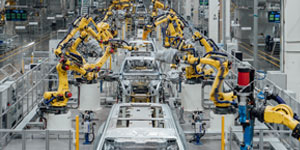
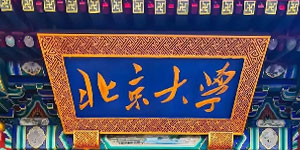
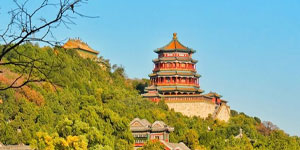
For a century, the West has argued about what China is - the workshop of the world, the world's factory floor, the fastest-growing innovation economy on the planet. None of these descriptions can substitute for standing inside it: on the floor of a factory that ships a million products a week, in the showroom of an electric-vehicle maker that did not exist twenty years ago, or across the plaza from a headquarters building that has become the symbol of a new kind of Chinese company. A China enterprise visit program exists for exactly that reason: to get decision-makers, students and business delegations off the tour bus and into the actual places where China works - with arranged meetings, open doors and an agenda built around your group's interests.
1. The factory floor is the lesson. No lecture, report or video explains China's rise like the inside of a modern production line. Students of supply chains watch a component move through stamping, machining, assembly and quality control in a single building. Business groups see lean manufacturing, automation and worker training in operation - and leave with the concrete vocabulary of modern industry.
2. The innovation story is real. The popular narrative of "cheap manufacturing" is decades out of date. Chinese companies today lead in electric vehicles, batteries, solar equipment, high-speed rail, drones, e-commerce logistics and artificial intelligence applications. A visit programme introduces your group to the new China - the one filing patents, building global brands and exporting technology, not just goods.
3. Meetings beat monuments. A conversation with a factory manager, an HR director or a founder is worth a thousand photographs. Enterprise visits are built around arranged meetings - question-and-answer sessions with the people who run the operations - which is precisely what makes them different from sightseeing.
4. Context for everything else you see. After visiting a robotics plant or a logistics hub, the modern skyline of Shanghai and the trains that carry your group between cities become legible: you have seen the systems behind them.
Every enterprise visit programme is custom, but the menu draws from China's signature industries:
A well-designed visit day balances access, learning and logistics. A representative day runs like this:
1. The brief. You tell us your sector focus, group profile, dates and objectives - learning, benchmarking, networking or all three. We match the companies, the meetings and the questions.
2. Access and permissions. We work with partner enterprises that regularly receive visitors, and we handle the invitations, clearance and paperwork that make official visits possible - something foreign groups cannot arrange alone.
3. The full logistical layer. Bilingual guides with industrial vocabulary, licensed transport, vetted hotels near the visit corridor, meals and contingency plans. You focus on the meetings; we manage everything around them.
4. Follow-through. After the programme, you receive a structured visit dossier - company profiles, key talking points and contact summaries - so the experience becomes documentation your team can actually use.
Enterprise visits rarely stand alone. Most programmes weave them into a broader journey: a morning in a robotics factory, an afternoon on the Great Wall; a battery gigafactory in the morning, a panda base the next day. For school groups, this combination is especially valuable - the factory floor teaches how China works; the temples, cities and landscapes teach how China lives. For the innovation-focused side of your itinerary, explore our Modern China & STEM programmes, which bring students face to face with China's technology story - from high-speed rail and the FAST telescope to eco-field studies - in the same structured, hands-on style.
How far in advance should we book enterprise visits? Ideally 2–3 months - company approvals, calendars and permissions take time. For urgent groups, we can often secure visits within 3–4 weeks using our existing partner network.
Can we choose the companies? Yes. We work from your sector list, propose matched companies, and finalise the confirmed visit list with you before departure. Where your dream company is not visitable, we arrange the closest credible alternative and say so honestly.
Do we need Chinese speakers? No - every visit includes a bilingual guide with industrial vocabulary, and host meetings are translated. The Q&A sessions are fully interpreted.
Is there a dress code or safety requirement? Factory visits require covered shoes (we advise you in advance) and safety vests (provided). Business meetings call for smart-casual dress. All requirements are briefed before each visit.
Are enterprise visits suitable for students? Yes - with age-appropriate agendas. For school groups we arrange shorter floor visits, interactive Q&A and simplified briefings, and we exclude noisy or hazardous production areas. Student cohorts gain a concrete picture of modern industry that textbooks cannot provide.
What if a company cancels at the last minute? Our partner network provides back-up visits at short notice, and we build one buffer slot into multi-visit programmes precisely for this reason.
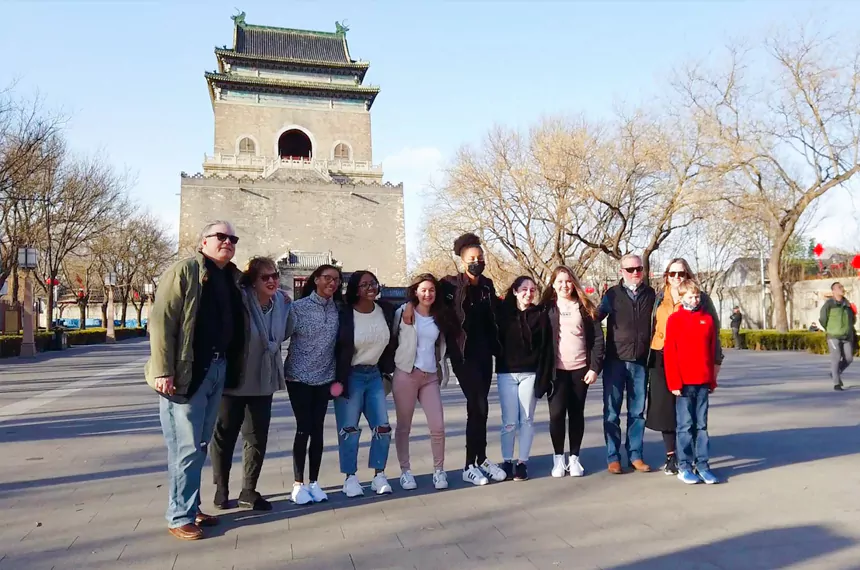
Every group that has walked a Chinese factory floor with us says the same thing afterwards: the China they had read about, argued about and worried about is now a place they have seen working. The numbers in the reports become machines, people and decisions; the abstract "supply chain" becomes a pallet moving down a line at eye level. That is the purpose of a China enterprise visit program - not to persuade, but to show. PandaStudyTour designs these programmes for business delegations, university groups and school cohorts, with the access, the logistics and the meetings arranged. Tell us your sector and your dates - the factory doors are open.
