For primary school learners aged 7 to 12, learning happens most powerfully through play, sensory experience, friendship and gentle exploration, which makes a primary school cultural exchange trip China from Malaysia a uniquely meaningful co‑curricular activity for SJKC, national primary and international primary school groups. Young children absorb new cultural impressions quickly, and positive early encounters with Chinese culture can build lasting curiosity, Mandarin confidence and respect for diversity that support their classroom learning for years ahead. At Panda Study Tour, we design primary‑focused cultural exchange trips completely separately from secondary or pre‑university itineraries, with slower pacing, shorter walking distances, highly interactive hands‑on activities, simplified educational explanations and elevated supervision standards tailored to young primary students. Every part of the programme prioritises safety, joy and age‑appropriate learning, while still delivering genuine cross‑cultural exchange with local primary school classes in China. For primary‑age group travel ideas, you can also look into Chinese Summer Camp‑style immersive activities suitable for younger learners.
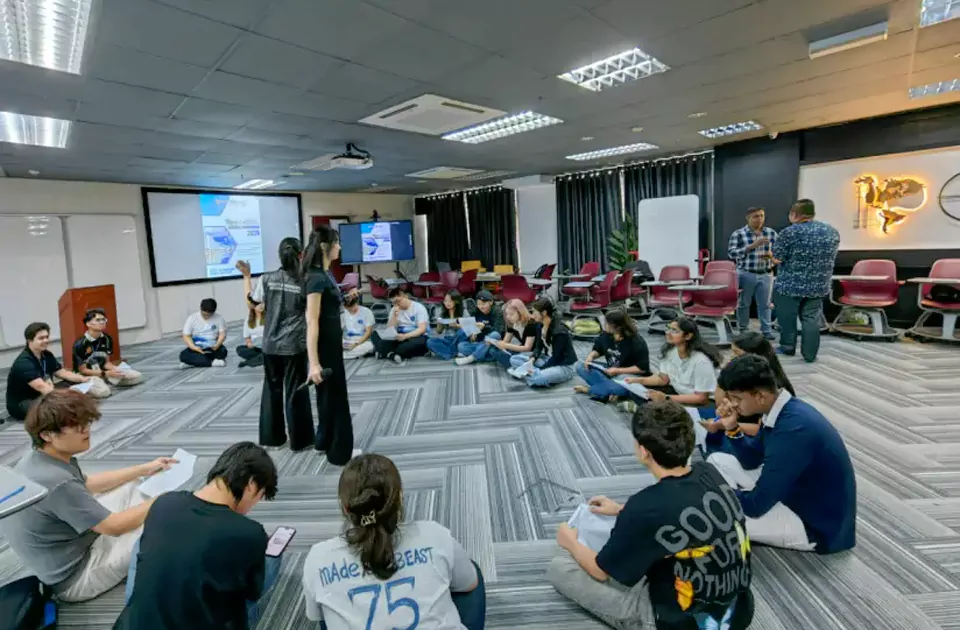
One of the central features that distinguishes our primary school cultural exchange trips is the paired classroom interaction component. Instead of simply arranging a quick campus photo stop at a Chinese primary school, we coordinate structured 2 to 3 hour exchange sessions where Malaysian primary students sit alongside local Chinese peers of the same age. These sessions are carefully planned by both schools, with activities such as simple Mandarin and English greeting games, shared craft making, folk song singing, children's dance performances and guided show‑and‑tell presentations. Malaysian students might share about Malaysian food, traditional games, wau bulan or school life back home, while Chinese students demonstrate paper cutting, calligraphy basics or simple tea ceremony rituals adapted for children. These peer‑to‑peer moments are far more memorable for young children than museum lectures or long guided heritage talks, because they centre on friendship rather than passive sightseeing. Many primary school teachers tell us that after these exchange sessions, their students show much more enthusiasm for Mandarin lessons back in Malaysia, volunteering to practise new words they learned from their Chinese friends and asking to continue communicating through drawing and message exchanges.
We understand that teachers and parents of primary students have a different set of priorities compared to secondary groups. The top concerns are always consistent supervision, low physical fatigue, kid‑friendly meals, predictable routines and clear communication back home. Our supervision ratio for primary groups is stricter: we recommend one accompanying Malaysian teacher for every 8 to 10 students, paired with our dedicated child‑friendly English‑speaking guide who has extensive experience working with young learners. Our guides avoid long speeches, use simple vocabulary, ask playful guiding questions and keep transitions between activities smooth and calm. We build generous rest periods into each daily schedule, schedule lunch and snack breaks at consistent times, and limit extended hiking or crowded site visits that could overwhelm young children. We also avoid early morning departures before 7 a.m. wherever possible, recognising that tired primary students struggle to engage with cultural activities and are more prone to anxiety or upset.
Food planning is handled with extra care for Malaysian primary groups. All meals are halal‑certified, mild in flavour and adapted for children's tastes. We avoid heavily spicy dishes, prepare familiar options alongside local Chinese food experiences, and keep fresh fruit, bottled water and simple halal snack packs available for outings. Before the trip begins, we collect a detailed list of every student's food allergies, from seafood and nuts to dairy and egg allergies, and share this list with restaurants, hotel kitchen teams and all chaperones. We never rely on last‑minute restaurant promises; our local operations team pre‑validates every dining location, confirms allergy‑safe preparation protocols and checks for separate cooking utensils to prevent cross‑contamination risks. We also include gentle food education moments, where children can learn about how tea is grown or how oyster omelettes are made, without forcing them to try unfamiliar foods they feel unsure about.
The learning outcomes for primary cultural exchange trips are framed around foundational cultural literacy rather than complex academic analysis. Our pre‑trip pack for primary classrooms includes simple colouring sheets, picture books and classroom discussion prompts to help children prepare for the journey. During the trip, students use simple activity booklets with drawing spaces rather than long written worksheets; they draw their favourite heritage building, sketch their new Chinese friend or record one new Mandarin word they learned each day. After returning to Malaysia, teachers can use these drawings and stories for class sharing, assembly presentations and student portfolios. We provide a simple participation certificate for every child, suitable for primary school award ceremonies and parent sharing sessions. This low‑pressure learning design keeps the focus on positive cultural exposure instead of assessment stress, which is critical for young learners.
Our most popular destinations for primary school cultural exchange trips from Malaysia are Xiamen and Gulangyu Island, because the coastal environment is gentle, the island is car‑free, the walking paths are easy, and the local primary schools are very welcoming to young Malaysian groups. The Gulangyu piano museum, Shapowei creative quarter and gentle beach walks work beautifully for primary‑aged children. We also offer shorter Quanzhou routes focused on Xunpu village flower hairpin experiences and folk craft workshops, and we can arrange Beijing or Hangzhou primary exchange trips for schools willing to travel further. All itineraries can be compressed into 3 or 4 days, which is the sweet spot for primary school trips; longer journeys tend to create fatigue and homesickness among younger children. For schools that want to combine heritage and nature, we can add a gentle tea plantation visit where children watch tea picking and taste sweetened mild tea, without long treks up mountain slopes. You can explore more about school‑oriented travel frameworks via our China student tour overview page.
Communication with parents is another core part of our primary school trip service. We supply the coordinating teacher with pre‑written parent briefing materials covering packing lists, clothing suggestions, medication rules, spending money guidance and our safety protocols. With school approval, our guide team can share selected photos of group activities each day in a closed parent group chat, so families can follow along with their child’s adventure without constant individual messages disrupting the trip flow. We also provide a clear medical response plan, including nearby children's hospitals at every destination, and we require all students to be covered under our comprehensive group travel insurance. Every hotel room for primary students is shared with same‑gender classmates and supervised by teachers staying on the same floor, with nightly room checks and a strict no‑independent‑wandering rule.
Cultural respect and inclusivity are woven through every activity. Our guides are trained to introduce Chinese traditions in ways that honour Malaysia's own multicultural identity, drawing gentle comparisons between shared values such as respect for elders, community celebration and family care. We avoid religious content that may not be suitable for mixed Malaysian primary groups, focusing instead on folk art, games, food, architecture and children's daily school life. For groups with students from Muslim, Hindu, Buddhist and Christian backgrounds, we ensure that no activity pressures children to take part in religious rituals, and we reserve quiet private spaces for prayer when requested.
A primary school cultural exchange trip China from Malaysia plants seeds of global citizenship in children at an impressionable age. Many Malaysian primary students return home eager to share what they learned, excited to keep practising Mandarin, and curious to learn more about the world beyond their own neighbourhood and school. These early positive cross‑cultural experiences help reduce stereotypes and build kindness, empathy and confidence. Panda Study Tour takes great care to design every primary cultural exchange trip with young learners at the centre, balancing fun, friendship, safety and gentle cultural discovery for Malaysian primary school groups.
