China is a vast country with dramatic variations in climate, from the freezing winters of Harbin to the subtropical heat of southern cities, the high-altitude coolness of Tibet, and the dry loess plateaus of Shanxi. What you pack for your trip will heavily depend on your travel destinations, travel season, and planned activities. Whether you are joining a cultural tour, heritage exploration, mountain hiking or city sightseeing, this guide will help you pick practical, respectful and comfortable clothing for your journey in China.
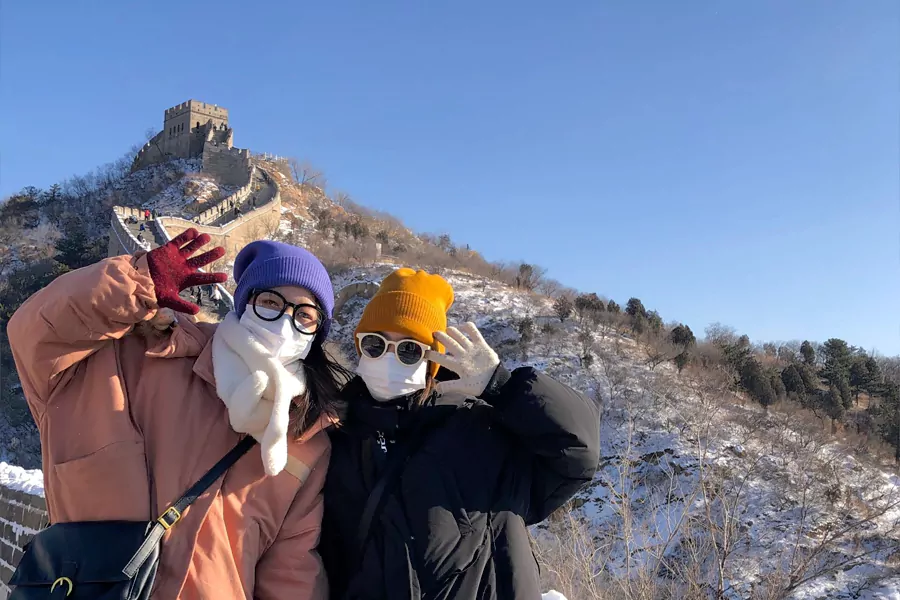
Northern China features four distinct seasons.
Winters here are extremely cold, with temperatures dropping well below -20°C. Heavy down parkas, thermal base layers, fleece pants, thick wool socks, waterproof snow boots, face masks, earmuffs and hand warmers are must-have items. Summers are short and cool; simple long sleeves and light jackets are enough.
This region has diverse microclimates.
Chengdu: Hot and humid in summer, mild and damp in winter. Pack breathable clothes and waterproof layers for sudden rain.
Zhangjiajie mountain area: Even in summer, mountain tops can be much cooler. Always bring a light waterproof jacket and non-slip walking shoes for hiking.
Tibet (Xizang): Strong UV radiation and big temperature differences between day and night, even in summer. Bring sun protection, long sleeves, a warm fleece or jacket, and windproof outerwear regardless of travel season. Avoid overly revealing outfits when visiting monasteries.
Hot, humid and rainy for most of the year. Summers are long with heavy thunderstorms. Light, quick-dry clothing, flip-flops, rain ponchos and sun protection are your priority. Winters are short and mild, but damp; a thin warm jacket is needed.
When visiting temples, monasteries, ancient villages and cultural heritage sites across China, modest clothing is appreciated.
Spring: Light windbreaker, long sleeve tops, scarf, walking shoes, foldable umbrella
Summer: Breathable cotton / quick-dry clothes, sun hat, sunglasses, rain poncho
Autumn: Fleece, medium-weight jacket, long trousers, comfortable walking shoes
Winter: Down coat, thermal base layers, warm socks, gloves, insulated shoes
Q: Do I need formal clothes for China tours?
A: Normally, casual smart clothing works for almost all sightseeing. Formal wear is only needed for special fine-dining experiences or high-end events, which are not required for standard cultural tours.
Q: Can I wear shorts in Chinese cities?
A: Shorts are acceptable in modern cities in summer. But when visiting temples, monasteries and some cultural sites, you will need to cover your knees.
Q: What clothing should I prepare for high-altitude trips like Tibet?
A: Prepare layered warm clothes, sun protection, and windproof outerwear. Even in summer, nights can turn cold, and UV intensity is very high.
Q: How many sets of clothes should I bring for a 7–10 day tour?
A: 4–6 sets of mix-and-match layered clothing is enough. Most hotels provide laundry services, so you do not need to pack excessive luggage.
Q: Are there any clothing restrictions I should know about?
A: There are no strict restrictions in modern cities. The main rule is modest dressing for religious sites to show respect for local traditions.
