
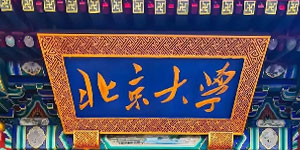

Here is a comprehensive English travel guide for first-time visitors to China, covering accommodation, transportation, attractions, and more, well over 2,000 words.
The Ultimate First-Timer's Guide to China: How to Travel, Where to Stay, and What to Explore
Traveling to China for the first time can feel like stepping into another world—a fascinating blend of ancient traditions and hyper-modern innovation, sprawling megacities and serene rural landscapes. With its vast size and cultural depth, planning a trip here might seem overwhelming. But worry not! This guide breaks down everything you need to know—from accommodations and transportation to must-see attractions—ensuring your first journey to China is smooth, enriching, and unforgettable.

Why China Should Be Your Next Destination
China is more than a country; it's a multitude of experiences packed into one nation. Whether you're drawn by the history of the Silk Road, the culinary delights of Sichuan, the futuristic skyline of Shanghai, or the peaceful landscapes of Guilin, China offers something for every traveler. However, due to its scale and complexity, a well-researched plan is crucial to make the most of your visit.
Part 1: Accommodation—Where to Stay in China
China offers a wide spectrum of lodging options, from luxury international hotels to budget-friendly hostels and unique local guesthouses. Your choice will depend on your budget, travel style, and destinations.
1.1 Types of Accommodation
Luxury Hotels (5-star & International Chains)
In major cities like Beijing, Shanghai, Guangzhou, and Shenzhen, you'll find world-renowned hotel brands (e.g., Shangri-La, Four Seasons, Marriott, Hilton). These offer top-tier amenities, English-speaking staff, and locations in central business or shopping districts. Ideal for travelers seeking comfort and convenience.
Boutique Hotels & Design Hotels
Cities such as Shanghai, Hangzhou, and Suzhou boast stylish boutique hotels that combine Chinese aesthetics with modern design. These are perfect for travelers wanting a unique, culturally immersive stay.
Mid-Range Business Hotels
Chinese chains like Jinjiang Inn, Home Inn, and Hanting offer clean, safe, and affordable rooms nationwide. They're functional, often include free Wi-Fi and breakfast, and are great for budget-conscious travelers who prefer consistency.
Hostels & Guesthouses
Popular among backpackers and solo travelers, hostels in China are generally of high quality. They offer dormitory beds or private rooms, social atmospheres, and helpful English-speaking staff. Look for well-reviewed hostels in cities like Beijing (Peking Station Hostel), Shanghai (The Phoenix), and Xi'an (Han Tang Inn).
Traditional Courtyard Stays (Siheyuan) & Homestays
For an authentic experience, consider staying in a restored siheyuan (traditional courtyard house) in Beijing's hutongs or a family-run guesthouse in rural areas like Yangshuo or Yunnan. These provide deeper cultural interaction but may have fewer modern amenities.
Temple Stays & Eco-Lodges
In scenic or mountainous regions (e.g., Huangshan, Sichuan, Tibet), some temples or eco-lodges offer simple accommodations for those seeking tranquility and nature.
1.2 Booking Tips
Use Local Apps: While international sites like Booking.com and Airbnb work in China, domestic platforms often offer better prices and more options. Download Ctrip (Trip.com), Qunar, or Meituan for hotel bookings. Note that these apps may require a Chinese phone number for verification.
Location Matters: In sprawling cities like Beijing and Shanghai, choose accommodations near subway lines for easy access to attractions.
Check Reviews: Read recent reviews on TripAdvisor or Ctrip to gauge cleanliness, service, and English-language support.
Registration: All hotels in China are required to register foreign guests with local police. You must present your passport at check-in.
1.3 Recommended Areas to Stay
Beijing: Stay near the Dongcheng or Xicheng districts (close to the Forbidden City, hutongs, and subway lines). Avoid overly touristy areas like Wangfujing for better value.
Shanghai: Puxi (the Bund, French Concession, Jing'an) offers historic charm, while Pudong (Lujiazui) is ideal for modern luxury.
Xi'an: Inside or near the city walls is convenient for accessing the Muslim Quarter and the Terracotta Warriors.
Guilin/Yangshuo: In Yangshuo, choose a guesthouse with a view of the karst mountains along the Li River.
Part 2: Transportation—Getting Around China Efficiently
China's transportation network is extensive, efficient, and constantly evolving. Navigating it can be one of the most rewarding parts of your trip.
2.1 Arriving in China: Airports & Visas
Major International Airports: Beijing Capital (PEK), Shanghai Pudong (PVG), Guangzhou Baiyun (CAN), and Hong Kong (HKG) are primary entry points.
Visa: Most travelers need a tourist visa (L visa) applied for in advance at a Chinese embassy or consulate. Check the latest requirements, as policies can change. Some cities offer 72/144-hour visa-free transit for certain nationalities.
2.2 Domestic Travel
High-Speed Rail (HSR) – The Best Way to Travel
China's HSR network is the world's largest, connecting most major cities at speeds of 250–350 km/h. It's punctual, comfortable, and often more convenient than flying for distances under 1,200 km.
How to Book: Use Trip.com (English-friendly) or China Railway's official website (12306.cn, requires local phone verification). Book in advance during holidays.
Classes: Second class (economy), first class (more space), business class (luxury). Second class is perfectly adequate.
Stations: HSR stations are often located outside city centers. Allow extra time for security checks and boarding.
Domestic Flights
For long distances (e.g., Beijing to Chengdu, Shanghai to Lhasa), flying is time-saving.
Airlines: Major carriers include Air China, China Eastern, and China Southern. Budget airlines like Spring Airlines offer lower fares but fewer amenities.
Booking: Use Ctrip, Trip.com, or Skyscanner. Ensure your name matches your passport exactly.
Long-Distance Buses
Useful for remote areas not served by trains. Buses range from basic to luxury sleeper coaches. Not recommended for first-timers due to language barriers and variable safety standards.
Metro/Subway Systems
In cities like Beijing, Shanghai, Guangzhou, and Shenzhen, metros are the fastest way to avoid traffic. Buy single-ride tickets or rechargeable transit cards (e.g., Beijing's Yikatong, Shanghai's Jiaotong Card). Apps like MetroMan provide offline maps.
Taxis & Ride-Hailing
Taxis are affordable and plentiful but ensure the meter is running. Didi Chuxing (China's Uber) is highly recommended—download the app before arrival and link it to an international payment method. The English interface is available.
Public Bikes & Walking
Many cities have bike-sharing systems (Mobike, Hello Bike) accessible via apps. Walking is great for exploring dense urban areas like Shanghai's French Concession or Beijing's hutongs.
2.3 Essential Transportation Tips
Download Maps Offline: Google Maps is blocked in China. Use Baidu Maps or Apple Maps (which works in China). Download offline maps on Wi-Fi.
Payment: Have small cash for buses or taxis, though mobile payments (WeChat Pay, Alipay) dominate. As a tourist, you can link your international card to these apps—set this up upon arrival.
Language Barrier: Carry your hotel's address in Chinese characters. Use translation apps like Pleco or Google Translate (download the Chinese language pack offline).
Part 3: Attractions & Itinerary Ideas—What to See and Do
China's attractions are incredibly diverse. For a first trip, focus on a few iconic destinations combined with some off-the-beaten-path experiences.
3.1 Must-Visit Destinations
Beijing – The Historical Capital
Great Wall of China: Visit less-crowded sections like Mutianyu (restored, with cable car) or Jinshanling (for hiking). Avoid Badaling on weekends.
Forbidden City: Book tickets online in advance. Allow at least half a day.
Temple of Heaven & Summer Palace: Stunning examples of imperial architecture and garden design.
Hutongs: Explore narrow alleyways by rickshaw or on foot. Nanluoguxiang is touristy but lively; try quieter hutongs around Drum and Bell Towers.
Olympic Park: See the Bird's Nest and Water Cube, symbols of modern China.
Xi'an – The Ancient Silk Road Gateway
Terracotta Warriors: A UNESCO site and one of the world's greatest archaeological finds. Hire a guide or use an audio guide.
Xi'an City Wall: Rent a bike and cycle the 14-km perimeter.
Muslim Quarter: Bustling food street offering local snacks like roujiamo (Chinese burger) and yangrou paomo (lamb soup).
Giant Wild Goose Pagoda: Historic Buddhist pagoda with a light show at night.
Shanghai – The Cosmopolitan Metropolis
The Bund: Iconic waterfront showcasing colonial architecture juxtaposed with Pudong's skyscrapers. Visit day and night.
Yu Garden & Old Town: Classical Chinese garden surrounded by traditional markets.
French Concession: Tree-lined streets, boutique shops, and art galleries. Great for café-hopping.
Pudong: Ascend the Shanghai Tower (world’s second-tallest building) or Oriental Pearl Tower for panoramic views.
Zhujiajiao Water Town: A day trip to a classic canal town.
Guilin & Yangshuo – Picture-Perfect Landscapes
Li River Cruise: From Guilin to Yangshuo, enjoy stunning karst mountain scenery (featured on the 20 RMB note).
Yangshuo: Rent an e-bike, hike, or try rock climbing. Watch the Impression Sanjie Liu light show directed by Zhang Yimou.
Longji Rice Terraces: A few hours from Guilin, these terraces are breathtaking, especially during planting (May-June) or harvest (Sept-Oct).
Chengdu & Sichuan – Pandas & Spicy Cuisine
Chengdu Research Base of Giant Panda Breeding: See pandas up close—arrive early when they're most active.
People's Park: Sip tea at Heming Teahouse, watch locals dance, and try ear cleaning.
Leshan Giant Buddha: Day trip to the world's largest stone Buddha statue.
Food: Dive into Sichuan's fiery cuisine—hotpot, mapo tofu, dan dan noodles.
Additional Highlights
Hangzhou: West Lake, a UNESCO site of poetic beauty.
Suzhou: Classical gardens and canals, the "Venice of the East".
Tibet (Lhasa): Requires a special permit and careful acclimatization but offers unparalleled spiritual and scenic experiences.
Zhangjiajie: Inspiration for Avatar's Hallelujah Mountains; a surreal national park.
3.2 Sample 2-Week Itinerary for First-Timers
Days 1–4: Beijing
Explore the Forbidden City, Temple of Heaven, hutongs, and the Great Wall (Mutianyu). Enjoy Peking duck.
Days 5–6: Xi'an
High-speed train to Xi'an. See the Terracotta Warriors, cycle the city wall, and visit the Muslim Quarter.
Days 7–9: Chengdu
Fly to Chengdu. Visit pandas, explore People's Park, and savor Sichuan hotpot.
Days 10–12: Yangshuo/Guilin
Fly to Guilin, cruise the Li River, and relax in Yangshuo's countryside.
Days 13–14: Shanghai
Fly or take a train to Shanghai. Experience the Bund, French Concession, and Yu Garden before departure.
3.3 Cultural Etiquette & Tips for Visiting Attractions
Book in Advance: Major sites (Forbidden City, Terracotta Warriors) have daily visitor limits. Use official WeChat accounts or Trip.com.
Avoid Public Holidays: Chinese New Year (Jan/Feb), National Day (Oct 1–7), and Labor Day (May 1–5) see massive domestic travel—crowds and prices skyrocket.
Respect Local Customs: Dress modestly at temples; don't touch artifacts. Ask before photographing people.
Bargaining: Expected at markets but not in malls or restaurants.
Part 4: Practical Tips for a Smooth Journey
Internet Access: Use a VPN (like ExpressVPN or Astrill) to access Google, Facebook, etc., before arriving. Purchase a local SIM card (China Mobile/Unicom) at the airport for data.
Currency: The Chinese Yuan (CNY/RMB). Exchange cash at banks or airports; ATMs accept international cards. Mobile payments are king.
Language: Learn basic Mandarin phrases (nǐ hǎo = hello, xièxie = thank you, duōshǎo qián? = how much?). Translation apps are lifesavers.
Health & Safety: Tap water is not drinkable; carry bottled water. Air quality can be poor in cities—check apps like IQAir. China is generally safe, but watch out for scams (e.g., tea ceremony scams in Beijing).
Food: Be adventurous but cautious. Street food is delicious; choose stalls with high turnover. Inform servers of allergies or dietary restrictions.
Conclusion: Embrace the Adventure
China is a destination that challenges and rewards in equal measure. The key to a successful first trip is balance: mix iconic sights with local experiences, embrace the unexpected, and keep an open mind. Whether you're marveling at the Great Wall, slurping noodles in a Chengdu alley, or gliding past karst peaks on the Li River, China will leave you with memories that last a lifetime. Prepare well, stay flexible, and dive into the Middle Kingdom's endless wonders.
Safe travels, and enjoy your first adventure in China!
