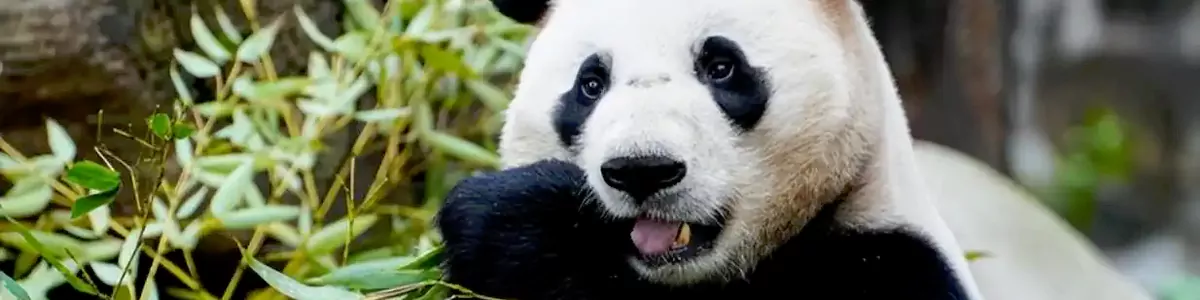
Destinations: Simulated panda protection volunteer hands-on experience project
Core Highlights
Who It Fits
Suitable for international students aged 12–18 who love nature, wild animals and ecological environmental protection. Ideal for students who are interested in biology, environmental science and public welfare undertakings, and need to enrich natural science practice portfolio. Open to all Mandarin levels with no academic threshold.
Package Includes
Ecology and wildlife protection themed courses and Mandarin teaching fees, giant panda base full visit tickets and professional tutor guidance fees, simulated volunteer experience project activity fees, ecological observation material costs, full local transportation, safe student dormitory accommodation and three daily meals, 24-hour multilingual safety supervision, official wildlife protection practice certificate. Excludes international round-trip airfare, China visa fees, personal travel insurance and personal expenses.
Day 1: Camp Arrival & On‑Site Orientation Students arrive in Chengdu and are met by our multilingual camp staff at the airport or high‑speed‑rail station. Private camp transfer brings participants to the secure student dormitory compound. After check‑in and room allocation, students take part in a welcome briefing covering camp rules, daily schedule, emergency protocols, safety guidelines for wildlife‑site visits, and an introduction to tutors and support team. In the afternoon, students start their first session of scenario‑based Mandarin training focused on nature‑ and animal‑related vocabulary and conversational phrases. Evening welcome dinner, followed by a short ice‑breaker group activity. Overnight at camp dormitory.
Day 2: Ecological Popular‑Science Training & Pre‑Camp Academic Preparation Morning: Systematic introductory lecture led by wildlife protection tutors. Students learn core background knowledge about giant pandas: biological characteristics, daily feeding habits, reproduction challenges, historical population changes and major threats to wild panda habitats. Group discussion encourages students to share prior ideas and questions about wildlife conservation. Afternoon: Continue ecology‑themed immersive Mandarin lessons, combining vocabulary exercises, reading short science passages and role‑play related to animal protection work. Tutors walk through what to expect at the giant‑panda breeding base, including site dress codes, observation etiquette and restrictions for animal welfare. Evening: Documentary screening about giant‑panda conservation projects in Sichuan, followed by guided group reflection. Overnight at camp dormitory.
Day 3: In‑Depth Field Visit to Giant Panda Breeding & Research Base — Observation & Expert Lecture Early morning departure by private camp vehicle to the giant panda breeding and research base, when pandas are most active for feeding. Under professional tutor guidance, students observe different enclosures: adult giant pandas, sub‑adolescent pandas and panda cub areas. Students watch keeper‑led feeding routines, record panda behaviours with provided observation worksheets, and learn about daily enclosure maintenance work. Lunch at designated dining venue near the base. Afternoon: Attend an expert lecture given by conservation specialists, covering captive‑breeding technologies, veterinary care for pandas, and progress of reintroduction programmes for giant pandas. Q&A session allows students to submit questions directly to conservation practitioners. Return to the camp dormitory in late afternoon. Evening self‑study: sort field‑observation notes. Overnight at camp dormitory.
Day 4: Continued Base Exploration | Habitat‑Restoration Workshop Morning: Revisit selected zones of the panda research base, focusing this time on auxiliary scientific‑research facilities: specimen exhibition areas, science‑popular‑science halls and display panels about bamboo‑resource management for panda survival. Students compare captive‑living environments versus natural wild panda habitats. Afternoon: Special themed workshop on habitat restoration. Tutors explain how forest degradation, human‑land conflicts and bamboo cycles influence wild panda survival. Students join group exercises analysing real‑world conservation case studies from Sichuan mountain nature reserves. Evening: Mandarin consolidation class using materials sourced from today’s base visit; students practice describing animal‑observation experiences in Chinese. Overnight at camp dormitory.
Day 5: Simulated Panda‑Protection Volunteer Hands‑On Experience Morning: Students take part in the simulated volunteer protection project under strict staff supervision. Activities include preparing panda‑diet‑related auxiliary materials (educational simulation only, no direct physical contact with pandas), cleaning‑procedure simulation for animal enclosures, sorting conservation‑education promotional materials and learning keepers’ standard workflow. All activities follow animal‑welfare requirements; students will not interact directly with giant pandas. Afternoon: Ecological field observation session. Guided outdoor walk in nearby green natural zones. Students practice basic field‑survey skills: documenting plant species, observing local small wildlife and recording environmental conditions on their field‑work journals. Evening: Group work begins for environmental‑protection themed group tasks; teams brainstorm conservation‑advocacy ideas. Overnight at camp dormitory.
Day 6: Group Project Completion & Conservation‑Insight Sharing Session Morning: Team‑based project time. Groups finalise their environmental‑protection assignments — options include short posters, presentation slides or mini‑report about giant‑panda protection. Tutors offer guidance on content structure and scientific logic. Students organise their multi‑day field notes, photos and observation records to support their outputs. Afternoon: Conservation insight‑sharing forum. Each group presents their finished project to peers and tutors. Every student gets an opportunity to share personal reflections on wildlife protection gained during the camp. Tutors give feedback and lead cross‑group discussion. Evening: Camp social activity, review of the whole learning journey. Overnight at camp dormitory.
Day 7: Learning Summary, Certificate Awarding & Camp Departure Morning: Comprehensive learning recap session. Tutors review key knowledge points from lectures, base visits, simulated‑volunteer practice and field observation. Students complete a simple feedback questionnaire for programme improvement. This is followed by the official certificate‑awarding ceremony: each participant receives an official wildlife‑protection practice certificate issued for completing all camp modules. After lunch, students check out from dormitory. Camp staff provide private transfer to Chengdu airport or high‑speed‑rail station for onward travel and departure.