Sanxingdui Ancient Shu Civilization Tour
Destinations: Historical and cultural vision expansion of multi-origin Chinese civilization
Tour Features:
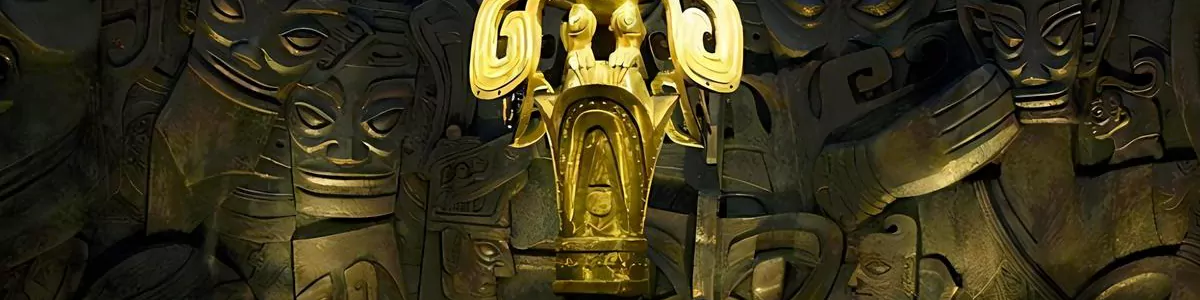
Sanxingdui civilization is a mysterious and unique ancient Shu civilization in Southwest China, rewriting the cognition of ancient Chinese multi-origin civilization. This 6-day ancient civilization research camp focuses on the exploration of prehistoric Shu culture, leading international students to uncover the mystery of 3000-year-old ancient Shu civilization. Students will visit Sanxingdui Museum and Jinsha Site Museum in depth, appreciate unique ancient Shu bronze artifacts, sacrificial culture and artistic aesthetics, and participate in simulated ancient cultural restoration and archaeological sorting workshops. Combined with ancient civilization themed lectures and scenario-based Mandarin learning, students can systematically understand the origin and development of Southwest ancient civilization, feel the diversity and profundity of Chinese ancient culture, and accumulate unique archaeological and historical research experience.
Core Highlights
- In-depth professional study of Sanxingdui and Jinsha ancient civilization relics
- Appreciation and cultural interpretation of unique ancient Shu bronze art
- Simulated ancient artifact restoration and archaeological sorting hands-on experience
- Ancient Southwest civilization themed systematic academic courses
- Historical and cultural vision expansion of multi-origin Chinese civilization
Who It Fits
Suitable for international students aged 12–18 who love ancient history, archaeology and cultural relic research. Perfect for humanities students who want to understand the multi-origin development of Chinese civilization and enrich historical research experience.
Package Includes
Ancient civilization themed academic courses and Mandarin teaching fees, Sanxingdui and Jinsha Museum visit tickets and professional interpretation fees, simulated cultural relic restoration workshop material and activity fees, full local transportation, accommodation and daily meals, 24-hour safety supervision, official ancient civilization research certificate. Excludes international airfare, visa fees and personal private expenses.
Itinerary:
Day 1: Camp Arrival, Check‑in & Opening Orientation
- Afternoon:Student arrival at the designated camp accommodation. Camp coaches complete registration, document check‑in, room assignment and luggage arrangement. Students meet camp teachers, counsellors and fellow international participants.
- Late Afternoon:Mandatory safety orientation session. Cover camp rules, on‑site museum visiting codes of conduct, laboratory & workshop safety guidelines, emergency contact information and daily schedule introduction. Distribute camp study kits including notebooks, activity worksheets and camp badges.
- Evening:Opening welcome dinner. Followed by ice‑breaking group activity, allowing students to share their prior knowledge and questions about ancient civilizations. Brief pre‑study preview about Southwest China geography. Overnight at camp accommodation.
Day 2: Themed Mandarin Courses & Pre‑Camp Sanxingdui Background Lectures
- Morning:Scenario‑based Mandarin courses themed on archaeology and ancient Shu civilization. Students learn key vocabulary related to bronzes, relics, sacrifice and ancient sites, practise simple descriptive expressions for cultural relic appreciation. Teachers combine picture materials of Sanxingdui artifacts for interactive language exercises.
- Afternoon:Special popular‑science lecture given by a history tutor. Illustrate the geographical environment of ancient Shu region, the timeline of Sanxingdui civilization, major archaeological excavation milestones, and its significance for understanding multi‑origin Chinese civilization. Students finish guided reading and worksheet tasks; group Q&A to collect questions for upcoming museum field trips.
- Evening:Self‑study & group discussion time. Students organize their notes and list questions they want answered during the Sanxingdui Museum visit. Camp counsellors provide supervision. Overnight at camp accommodation.
Day 3: In‑Depth Field Study at Sanxingdui Museum (Part 1)
- Morning:After breakfast, take chartered camp transport to Sanxingdui Museum. Professional museum interpreter leads the guided tour. Students closely observe iconic relics including the giant bronze standing figure, bronze sacred tree, bronze masks and gold artifacts. Teachers explain sacrificial customs, craft techniques and artistic style of ancient Shu people. Students take notes and complete on‑site observation worksheets.
- Noon:Group lunch near the museum complex. Short rest period.
- Afternoon:Continue exploring exhibition halls covering sacrificial pits excavation stories and cultural comparison between ancient Shu and Central‑Plain civilizations. Organize small‑group spot dialogue: students raise the pre‑prepared questions from Day 2 for the interpreter and tutors.
- Evening:Return to camp. Group reflection session. Students share initial impressions of Sanxingdui relics. Tutors guide students to sort field‑visit notes. Overnight at camp accommodation.
Day 4: In‑Depth Field Study at Sanxingdui Museum (Part 2) & Group Themed Discussion
- Morning:Return to Sanxingdui Museum for further focused study. Focus on excavation site ruins area. Students learn about how archaeologists conduct field excavation, stratigraphic analysis and relic sorting work. Compare the differences between ancient Shu bronze craftsmanship and Shang‑Dynasty bronze culture.
- Noon:Group lunch nearby.
- Afternoon:Student‑led group discussion activity. Groups analyse the unique cultural characteristics of Sanxingdui civilization, discuss why Sanxingdui differs from well‑known Central‑Plain ancient cultures. Each group drafts a simple outline for their final‑camp academic sharing. Tutors offer guidance for each group.
- Evening:Free structured study time. Students refine their group‑sharing outline and organize photos and notes collected over the two‑day Sanxingdui visit. 24‑hour camp supervision remains in place. Overnight at camp accommodation.
Day 5: Jinsha Site Museum Visit + Simulated Relic Restoration & Archaeological Sorting Workshop
- Morning:Board camp transport heading for Jinsha Site Museum. Guided in‑depth tour of the Jinsha archaeological site and exhibition galleries. Students study relics unearthed at Jinsha, understand the cultural connection and inheritance relationship between Sanxingdui and Jinsha ancient‑Shu sites. Complete comparative observation worksheets for Sanxingdui‑Jinsha relic features.
- Noon:Group lunch in Chengdu.
- Afternoon:Hands‑on practical workshop session. Students take part in two core experiential activities: simulated ancient‑relic restoration and simulated archaeological sorting. Under the guidance of activity instructors, students learn basic simulated archaeological classification, fragment splicing and simulated cultural‑relic repairing procedures. Every student finishes their own workshop‑experience record sheet.
- Evening:Back to camp. Students systematically collate all learning gains from museum visits and hands‑on workshops, sort notes, photos and workshop records in preparation for the final‑day academic‑sharing presentation. Overnight at camp accommodation.
Day 6: Civilization Research Summary, Academic Sharing, Certificate Awarding & Camp Departure
- Morning:Final academic‑sharing session. Each student group delivers short presentations based on their research observations from the whole camp. Groups share their understanding of ancient‑Shu civilization and how Sanxingdui reflects the multi‑origin development of Chinese civilization. Tutors give feedback and summary comments for all group outputs.
- Mid‑day:Camp closing ceremony. Official ancient‑civilization research certificates are awarded to every participating student. Review key take‑aways of the 6‑day programme.
- Afternoon:Closing group lunch. Afterwards students check out of camp accommodation. Transfer services arranged for departure to airport / railway station. End of Sanxingdui Ancient Shu Civilization Camp.