City: Guizhou
Batik is one of the most iconic crafts of the Miao and Dong peoples of Guizhou, China. Using molten beeswax, a copper knife and natural indigo dye, artisans draw patterns onto cloth, then dip the fabric into dye baths where the waxed lines remain white. Tie-dye works differently - fabric is bound, stitched or clamped, then dyed so that the folded areas stay light.
In a PandaStudyTour workshop, guests do the real thing: sketch a pattern with a heritage artisan, trace it in warm wax, dip your own cloth in the indigo vat, and unwrap it to reveal a one-of-a-kind pattern. Sessions run 2–3 hours, all materials included, and everyone takes home their finished piece - a scarf, a tote bag or a wall hanging.
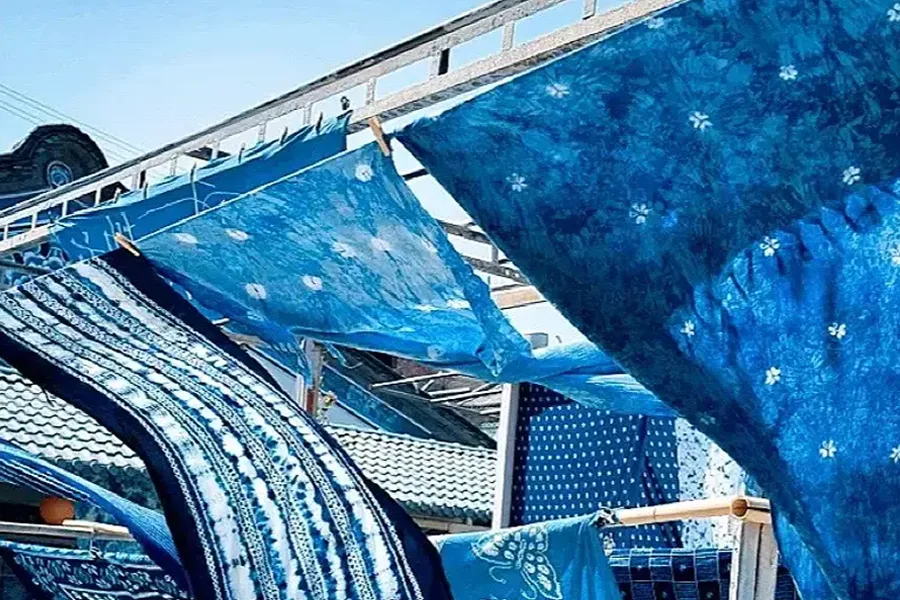
Beyond the technique, batik tells stories. Many Miao patterns carry meanings of nature, ancestors and blessing - a rare window into how craft and worldview connect. For students, it also teaches chemistry (wax-resist), design thinking and patience, all in one colorful afternoon.
How PandaStudyTour delivers it: We arrange private workshops at certified heritage studios in Kaili, Xijiang and Danzhai, with bilingual guides, family-friendly sessions, flexible group sizes (from individuals to school groups of 40+) and full logistics - transfers, meals and safety support.
Q&A
Q: Do we need any art experience?
A: No - zero experience is fine; artisans guide every step.
Q: How long does a session last?
A: Typically 2–3 hours; shorter 90-minute versions are available for younger children.
Q: What do we take home?
A: Your own finished batik or tie-dye piece plus a certificate of the workshop.
Q: Are materials and tools provided?
A: Yes, all materials, tools and aprons are included.
Q: Can this be combined with other villages?
A: Yes - we usually pair it with silver forging, papermaking or a Miao village visit.
