City: Guangzhou
Hundreds of years ago, Guangzhou's Thirteen Hongs were the core port of the Maritime Silk Road, where wooden sailing ships loaded porcelain, silk and tea to trade with the world. Today, Nansha Port continues this global trade mission, but with fully unmanned, digital technology. The terminal uses 5G communication, Beidou satellite navigation, automated quay cranes and unmanned guided vehicles. Container loading, unloading and transportation are completed automatically with almost no on-site workers, greatly improving efficiency and safety.
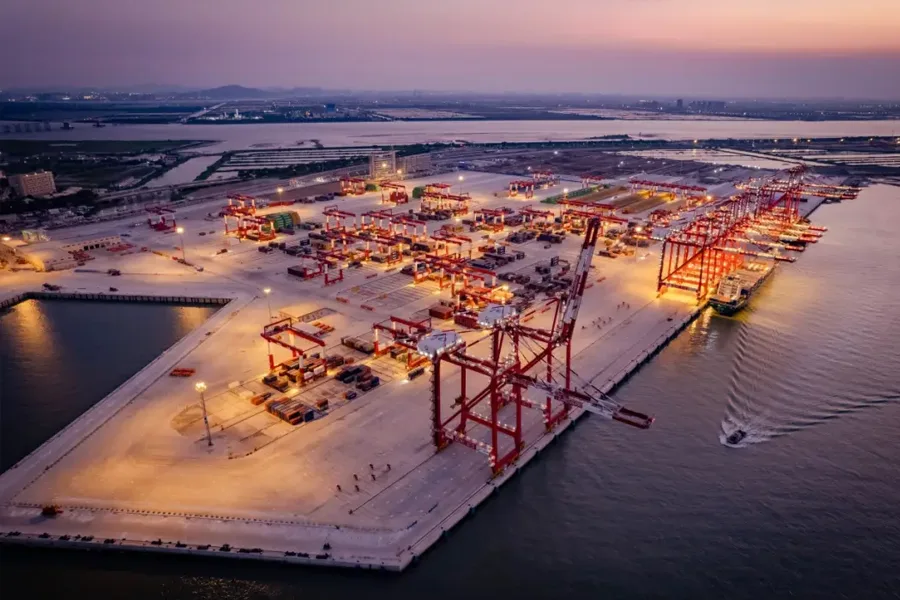
During the study visit, students receive professional bilingual explanation about port operation. They learn how the whole automated system works, how shipping schedules are managed by digital platforms, and how Nansha Port connects Guangzhou with global shipping routes across Southeast Asia, Europe and Africa. The tutor will guide students to compare the ancient Thirteen Hongs trade and modern automated port logistics, helping students understand the evolution of Guangzhou’s international trade position over centuries.
This is a perfect field research project for students majoring in international trade, logistics, engineering and geography. Students can record observations, collect data and discuss how smart ports promote global supply chain efficiency. They can link this site visit with the Maritime Silk Road heritage research at Thirteen-Hong Museum, forming a complete historical and modern comparative study.
PandaStudyTour completes port access application and safety training in advance, arranges professional bilingual logistics tutors and designated observation areas. This Nansha Port field trip can be combined with factory visits and cultural heritage research to build a multi-dimensional Greater Bay Area study tour.
