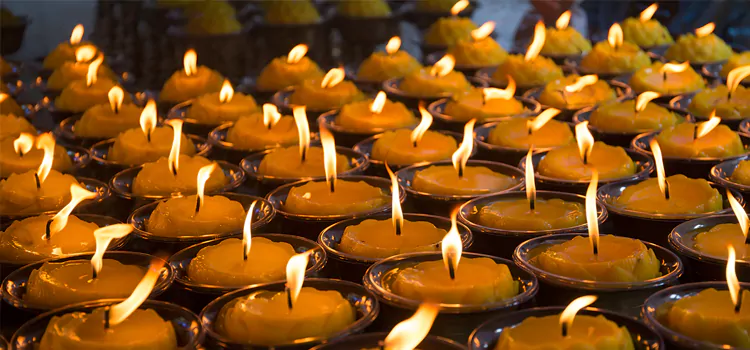
Beneath the temple bell and above the incense smoke, Chinese Buddhism offers a stillness that travel rarely provides. This collection of experiences - from morning chanting and Zen sitting meditation, to hand-copying the Heart Sutra, eating vegetarian zhai meals in monastery halls, stringing prayer beads and even sleeping overnight in a temple - lets you step out of the tourist crowd and into the rhythm of monastic life. For those drawn to the deeper side of China, we also offer studies of the great grottoes of Yungang and Longmen, guided temple architecture walks, and quiet conversations with monks. No faith required, no experience needed - only the wish to look, listen and learn.
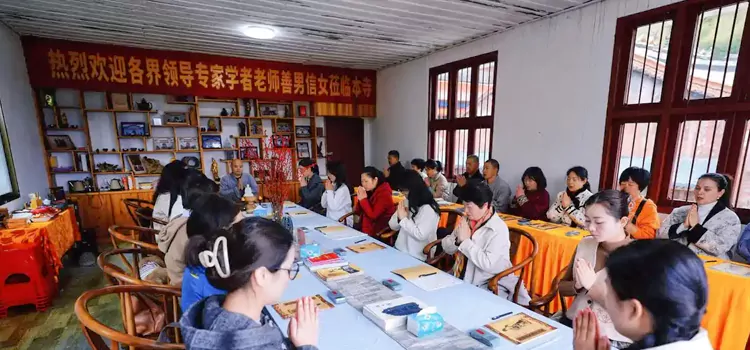
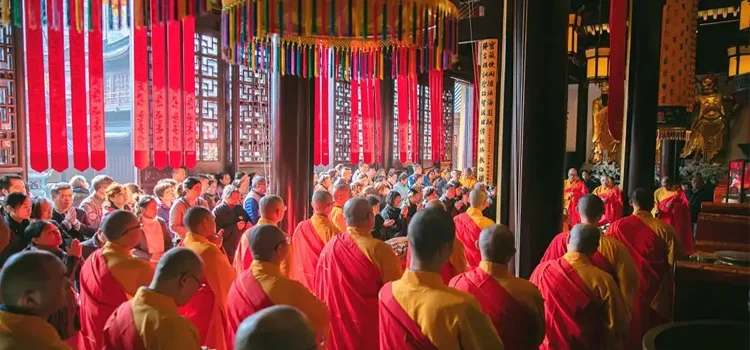
Not at all. Our temple experiences are designed for complete beginners, and monks are gracious hosts to visitors of all backgrounds. Morning chanting is watched first, then joined at your own pace; Zen meditation sessions begin with simple guidance on posture and breathing; and the sutra-copying workshop is a calm, meditative exercise anyone can complete. You come as you are - curiosity is the only requirement.
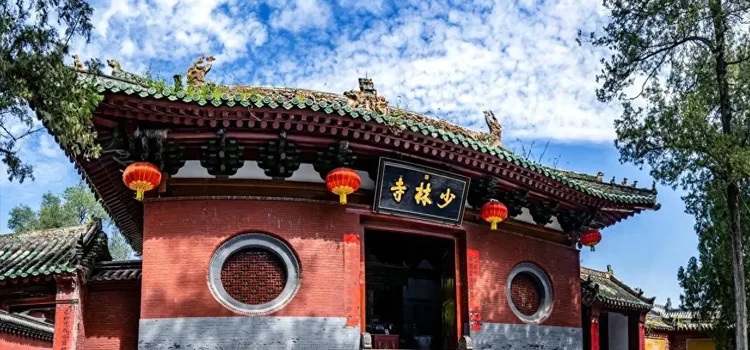
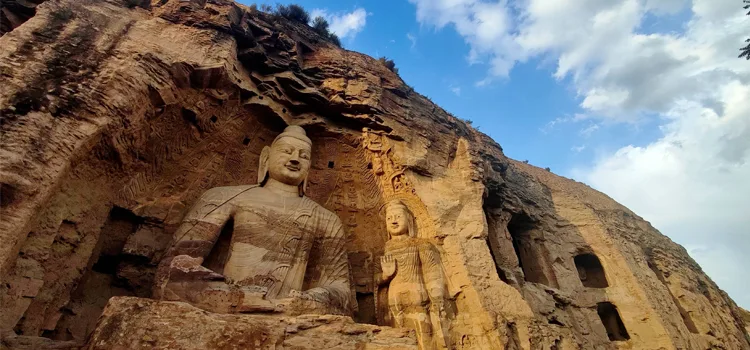
We arrange them at some of China's most celebrated monasteries, each with its own character: Shaolin Temple (Henan), cradle of Chan (Zen) Buddhism and martial arts; Lingyin Temple (Hangzhou), the "Temple of the Soul's Retreat" among the tea hills; Putuo Mountain (Zhejiang), the island shrine of the Bodhisattva Guanyin; and city temples in Beijing, Shanghai and elsewhere for shorter sessions. The Yungang (Datong) and Longmen (Luoyang) grottoes - the great Central Plains cave temples, distinct from Dunhuang's Silk Road caves - are offered as study excursions. Tell us your itinerary and we will match the right monastery to it.
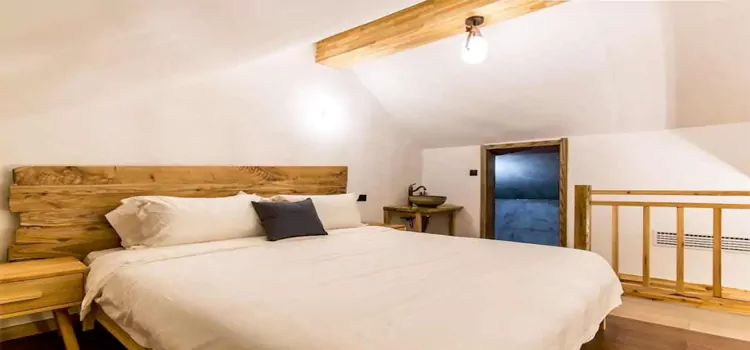
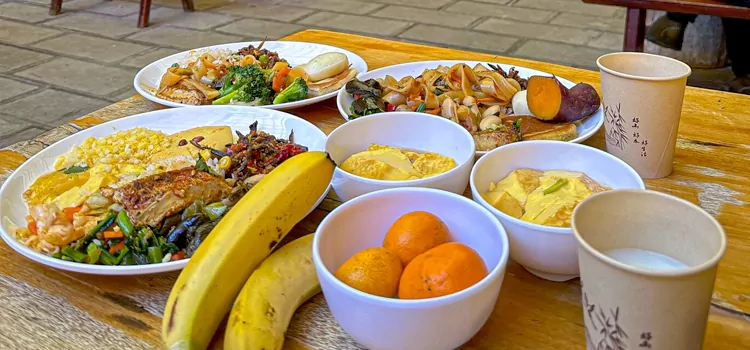
Guests typically arrive in the late afternoon, settle into simple, clean monk-style rooms, join the evening chanting, share a vegetarian dinner in the refectory, and rise before dawn for the morning bell and early sutra service - the heart of the monastic day. The rhythm is quiet, the food is simple and nourishing, and the experience of waking in a monastery courtyard is unforgettable. Stays are available at selected temples and meditation retreats, and we handle booking, transport and all etiquette guidance.
Simple respect is everything. Wear modest clothing - long trousers or skirts and covered shoulders; loose, comfortable layers are best for meditation. Remove shoes where indicated, keep your voice low inside temple halls, and do not photograph monks or statues without permission. Before entering a hall, step over the threshold rather than on it, and greet monks with a small bow. Your guide will brief you on every detail before you enter, so you never feel uncertain.
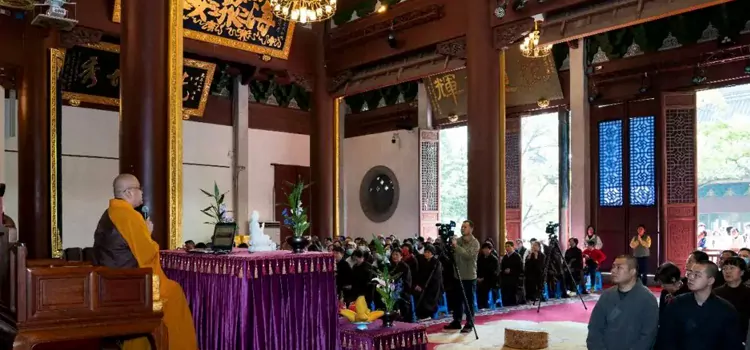
Every session includes an English-speaking guide, and monk dialogues are held with professional interpretation - often through a quiet conversation in the temple tea room rather than a formal lecture. Many monks welcome questions about daily life, meditation practice and the meaning of the rituals you have just performed; the dharma talk is translated sentence by sentence, and you are always free to ask your own questions
