An immersion trip is different from a regular sightseeing tour. The core goal is to place Singapore students inside authentic local life, learning environments and cultural contexts, so they do not merely look at China but interact with it. For Singapore schools, immersion trips are often run under the Internationalisation or Global Connect programme, with strong focus on Mandarin use, cross-cultural exchange and global citizenship. PandaStudyTour designs immersive China programmes for Singapore schools, centred on sister-school attachment, authentic interactions, hands-on workshops and structured language tasks.
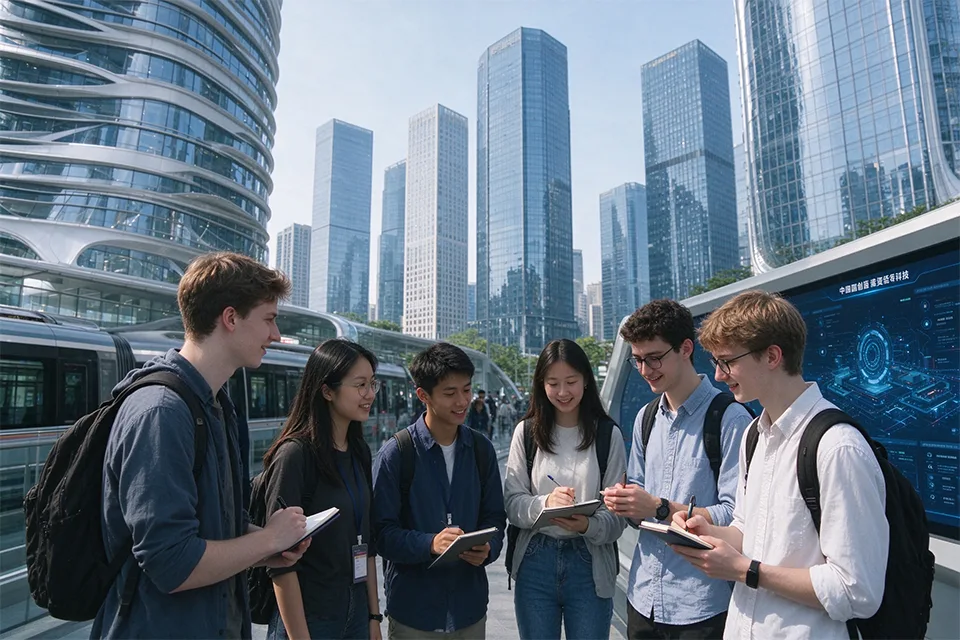
Immersion means meaningful interaction, not just being physically present. Our immersion programmes include one or more of these core components:
Immersion trips work best when students have a clear language or inquiry task every day. Without structured tasks, students often fall back to speaking English within their own Singapore group and miss the immersion opportunity. Our teacher pack includes daily task sheets, vocabulary banks, interview prompts and reflection journals.
Best for Mother Tongue departments. Students spend 2–3 days attached to a local sister school, attend lessons, eat in the school canteen and join after-school clubs. The rest of the week is cultural inquiry around heritage sites, with Mandarin as the working language for student tasks.
Great for art, geography and humanities. Students stay in or near the ancient village, sketch architecture, interview local residents, learn traditional craft, and study how the village water system supports community life. This is a very popular choice for Secondary school cohorts.
Suited for upper secondary, JC and Polytechnic groups. Students visit start-up hubs, tech enterprises and university campuses, join sharing sessions with young professionals, and explore how tradition and innovation coexist in modern Chinese cities.
Longer 12–16 day deep dive for senior humanities students, tracing China’s imperial development across Beijing, Xi'an, Luoyang, Kaifeng, Nanjing and Hangzhou.
School leaders and MOE committees look closely at these areas before approving immersion trips:
PandaStudyTour supplies all supporting documents required for your school approval process. Our local team coordinates with the host sister school to confirm timetables, buddy pairing, welcome ceremonies and joint activities weeks before arrival.
Teachers can use these simple strategies to make the trip more effective:
Q: What is the difference between an immersion trip and a normal study tour?
A: Immersion prioritises interaction and authentic participation; a study tour may focus more on guided site visits and observation.
Q: Can we arrange homestay for our Singapore students?
A: Homestay is available for selected longer programmes, subject to school policy and host family vetting.
Q: Do you provide Mandarin-speaking facilitators alongside English guides?
A: Yes, we can assign bilingual facilitators to support language immersion tasks.
Q: Can we customise the immersion duration?
A: Immersion blocks can range from 1–2 days inside a 5–7 day trip up to full week-long school attachment.
If your school is planning a Global Connect or Mandarin immersion trip to China, contact PandaStudyTour to discuss sister-school matching and a custom immersion brief.
