An incentive tour is one of the most powerful tools a company has for recognising performance, building loyalty and strengthening teams - but only when it is designed with real intent. A generic bus tour with a flag-waving guide does not motivate anyone. A well-built programme does, because it feels personal, runs seamlessly, and gives people something they cannot buy anywhere else: a genuine, well-organised encounter with a destination.
China has quietly become one of the world's most compelling incentive destinations. It combines extraordinary cultural depth, spectacular landscapes, world-class hotels, fast domestic connectivity and event infrastructure that few markets can match. Yet the gap between "China is an amazing place" and "our group had an amazing time in China" is almost entirely about the operator behind the trip.
That is where PandaStudyTour comes in. We are an inbound travel and study-tour operator built specifically for international groups travelling into China - not a domestic agency that happens to have an English-speaking coordinator, and not a global DMC reselling a local itinerary it has never walked itself.
This article explains what a China incentive tour actually involves, why China deserves a place on your reward calendar, and - in detail - why PandaStudyTour is the partner we believe you should shortlist.
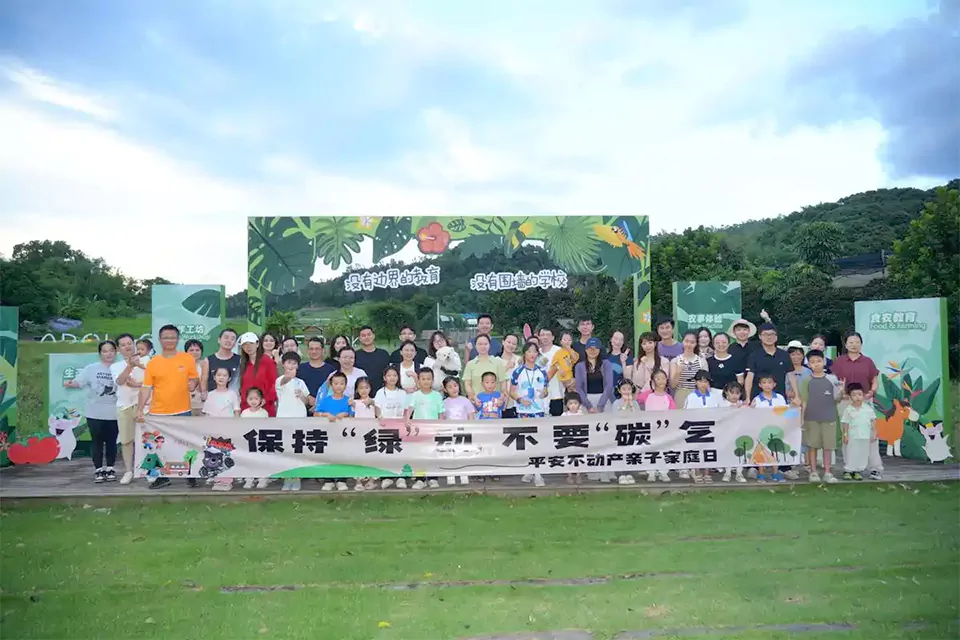
A China incentive tour is a reward-based corporate travel programme in which a company sends qualifying employees, partners, distributors or top performers to China as recognition for results. It typically combines three layers:
1. Recognition layer - the trip itself is the prize. Flights, premium accommodation, meals, welcome events and a closing celebration are designed to feel like a genuine reward, not a routine business trip.
2. Experience layer - the activities people actually remember. Great Wall sunrise walks, private tea ceremonies, hands-on craft workshops, karting challenges, cooking competitions, mountain hikes, city scavenger hunts, cultural performances and dinners in spaces ordinary visitors never reach.
3. Business layer - optional, but valuable for many companies. Factory visits, innovation-centre tours, university exchanges, supplier meetings and market briefings turn a reward trip into something the company can also justify commercially.
The best incentive programmes weave all three together so that neither the reward nor the business purpose feels bolted on. That balance is exactly what we design at PandaStudyTour China Incentive Tour.
Before comparing operators, it is worth being clear about why China itself works so well.
Unmatched variety within one country. A five-day programme can move from a historic imperial capital to a karst mountain valley to a modern waterfront skyline. You are not repeating the same experience five times; you are giving people a genuine sense of discovery.
Excellent domestic infrastructure. High-speed rail, dense flight networks, dependable highways and a deep pool of international-standard hotels make multi-city programmes realistic. A group can shift cities without losing a day to chaotic transfers.
Very strong value at the luxury end. Five-star accommodation, private dining, exclusive venue hire and professional event production in China frequently cost less than comparable arrangements in Western Europe or North America — which means a bigger, more impressive programme for the same budget.
Cultural depth that money cannot manufacture. Tea mountains, silk and porcelain workshops, Hakka villages, ancient water towns, minority festivals, calligraphy masters, temple ceremonies. These are experiences that do not exist as replicas anywhere else, and they carry a "we could never have arranged this ourselves" quality that incentive winners truly value.
A safe, orderly environment for group travel. For companies sending dozens or hundreds of people, predictability matters as much as glamour. China's transport, security and hospitality standards make large-group movement unusually manageable.
A growing menu of soft-adventure options. Hiking, cycling, rafting, surfing, desert driving, skiing, canyoning and via ferrata have all matured. Programmes no longer have to choose between cultural sightseeing and active challenge.
PandaStudyTour exists to serve international groups travelling into China. That shapes everything: our guides are trained to explain context rather than recite dates, our itinerary logic assumes jet lag and language friction, our menus anticipate dietary requirements as a default rather than an exception, and our communication runs in English from first enquiry to final report.
Many China-based agencies are excellent at serving domestic travellers and then adapt, sometimes awkwardly, to foreign groups. We start from the international traveller's perspective and work backwards. The difference shows up in small things — the timing of meals after a long flight, the way a guide handles a difficult question, the presence of a written emergency protocol your HR team can actually read.
We do not keep a shelf of fixed itineraries and ask you to pick one. We begin with your objectives and constraints: group size, age and fitness spread, budget per head, travel window, brand tone, whether spouses or families join, whether business content is required, and what "reward" means inside your specific company culture.
From that we build a programme with a deliberate emotional arc - a strong opening moment, a mid-trip peak experience, and a closing celebration that ties the trip back to the company's story. Two clients with the same budget and the same city often receive completely different programmes, because their teams are completely different.
Large group travel breaks at the seams: a transfer goes missing, a restaurant double-books, a venue changes its setup policy. What matters is whether someone owns the problem at seven in the morning, local time.
We assign a dedicated programme manager as your single point of contact, backed by an on-the-ground operations team in the destination. You get one contract, one invoice, one schedule of responsibility, and one person who knows your group's name list, dietary sheet, rooming list and VIP requirements without needing to re-read an email chain.
Incentive travel lives or dies on the phrase "we could not have booked this ourselves." Our local networks let us arrange things that are not on public booking platforms: a private after-hours visit to a heritage site, a dinner hosted inside a restored courtyard house, a workshop with a working artisan rather than a demonstration actor, a closed-track driving experience, a village dinner where the hosts are the community itself.
We are deliberate about avoiding staged culture. If a group is going to meet a craftsman, we want the craftsman to be genuinely working, and we want the encounter to be respectful to both sides.
A reward trip still benefits from structure. We design team activities around a clear objective the client names in advance - cross-department mixing, leadership visibility, celebrating a launch, integrating new hires, or simply giving people a shared story.
Our formats include city-wide discovery challenges with scored missions, cooking competitions judged by local chefs, cycling or hiking relays across staged checkpoints, creative workshops with a tangible output, and reflection sessions that convert a fun day into something people talk about back at the office. Each format comes with facilitation, materials, scoring logic and a results reveal that lands well in a closing dinner.
Incentive budgets are usually fixed per head, and surprises are unwelcome. We build costed programmes with clear inclusions and exclusions, show the impact of options before you commit, and structure pricing so that adding ten participants does not require rebuilding the whole trip.
We also routinely help clients find the value sweet spot: moving one dinner from a hotel ballroom to a heritage venue often delivers far more perceived value than upgrading a room category, at a similar cost.
Sending staff abroad requires internal sign-off, and sign-off requires documentation. We provide risk assessments, insurance guidance, emergency contact trees, medical and evacuation protocols, a 24-hour escalation channel and a written duty-of-care framework. For groups including senior executives or families, we can add dedicated on-trip support staff.
Our guides carry first-aid training and local hospital contacts; our vehicles and drivers are vetted; our activity providers are screened for safety records rather than just price. On mountain days we build in altitude and weather contingencies, and we always hold a wet-weather alternative that is genuinely good rather than a filler.
Every client-facing document, itinerary, briefing pack and post-trip report is in English. On the ground, guides, coordinators and drivers work to bilingual or English-first standards, and we can supply simultaneous interpretation for business sessions, factory tours or leadership addresses.
This matters for incentive groups because the trip is often the first time many participants have travelled in China. Confidence comes from clarity, and clarity comes from not needing to guess.
We regularly operate programmes across Beijing, Shanghai, Xi'an, Chengdu, Guangzhou, Shenzhen, Hangzhou, Suzhou, Guilin, Yunnan, Zhangjiajie, Hainan, Harbin, Pingyao and Guizhou, and we connect them into coherent routes rather than disconnected stops.
That geographic breadth is a practical advantage: we can match a destination to your season, budget and group profile instead of forcing your dates to fit one city. Typhoon season in the south, winter in the north-east, summer heat in the interior — a well-run operator simply routes around these constraints. If you want to see how these routes come together in practice, our custom China corporate reward tours show the range of what is possible.
After the trip we deliver a programme report covering participation, activity outcomes, feedback themes, photographs, and recommendations for the next cycle. Many of our clients use this material directly in internal recognition communications, ESG reporting or next year's budget submission.
An incentive programme is a spend that has to be defended. We would rather hand you the evidence than leave you assembling it from memory.
Our process runs in six steps.
Step 1 - Discovery. A structured conversation about objectives, group profile, budget, timing, brand tone and non-negotiables. We also ask what has disappointed you in previous incentive trips.
Step 2 - Concept. We present two or three destination-and-theme directions with rough costing, so you can choose a strategic direction before detailed planning begins.
Step 3 - Detailed design. Full itinerary, activity briefs, venue options, accommodation tiers, meal plans, transport, staffing and a costed option matrix showing what each upgrade actually buys.
Step 4 - Confirmation and contracting. Supplier holds, contracts, payment schedule, participant registration materials, visa and documentation guidance, and the risk and duty-of-care pack.
Step 5 - Operation. Programme manager plus on-ground team, daily run-sheets, a live coordination channel, contingency execution, and on-trip problem solving that does not land in your inbox.
Step 6 - Closure. Feedback collection, reporting, media handover and a debrief with recommendations for the next programme.
Heritage and Craft Immersion - imperial capitals, ancient quarters and working craft workshops, closing with a private dinner and a handmade keepsake each participant helped create.
Peak Challenge - a staged hiking, cycling or rafting programme with team scoring, safety support and a summit-style closing celebration for high-performing sales or operations teams.
Food and Culture Quest - market tours, chef-led masterclasses, regional cuisine comparisons and a judged cook-off, ending with a gala dinner designed around the group's own creations.
Innovation and Industry Insight - factory floors, R&D centres, tech parks and university exchanges, paired with cultural evenings so the programme still feels like a reward rather than a conference.
Family-Inclusive Reward - slower pacing, child-friendly activities, intergenerational workshops and separate optional tracks for adults, so winners can bring partners and children without the trip becoming a logistics burden.
A typical structure we use with mid-size groups: arrival and welcome dinner with a light cultural introduction; a full cultural day built around one strong anchor experience and one hands-on workshop; an active or competitive day with team scoring; a business or free-choice day with parallel tracks; and a closing celebration with awards, reflection and media capture.
Two cities maximum, one internal flight or rail leg, and generous buffer time - because a reward trip that exhausts people is not a reward. When groups want more, we add a shoulder day rather than packing the existing ones.
Can you work with a fixed per-head budget?
Yes. We design within a stated ceiling and show exactly what each tier delivers, so trade-offs are visible rather than buried.
Do you handle visas and documentation?
We provide guidance and invitation documentation support for group entry, and advise on current entry requirements for participants' nationalities.
How large a group can you operate?
From a small leadership retreat of ten to multi-hundred delegate programmes, with staffing ratios and logistics planned accordingly.
Can the trip include business content?
Yes - factory visits, university exchanges, market briefings, supplier meetings and leadership sessions can all be integrated without breaking the reward feel.
What makes you different from a global DMC?
We operate inside China with our own on-ground teams, our own itinerary design and our own English-first documentation. You are not buying a resold package.
A China incentive tour should do two things at once: make your people feel genuinely valued, and give them a story they will still be telling next year. China offers the raw material for that story in abundance. What it needs is an operator who designs with intent, plans for the seams, and stays accountable when something moves.
If you are evaluating partners for your next reward cycle, PandaStudyTour's China incentive tour programmes would welcome the chance to show you a concept built around your objectives rather than our template — including a costed outline, a sample daily run-sheet and our risk and duty-of-care framework, so your internal approval process is as smooth as the trip itself.
