Home > Chinese Traditional Festivals

Chinese Traditional Festivals

Chinese festivals are not dates on a calendar - they are the rhythm of family, food and folklore. Whether it is the red lanterns and dumplings of Spring Festival, the bamboo-leaf scent of Dragon Boat, or the mooncakes and full moon of Mid-Autumn, each festival is a living window into how Chinese people have marked time for thousands of years. PandaStudyTour designs study tours that bring international school groups and travellers to China during the festivals that matter most - not just as spectators, but as participants who wrap dumplings, race dragon boats, light lanterns and share a meal with a local family.

China Spring Festival Customs

China Spring Festival Customs
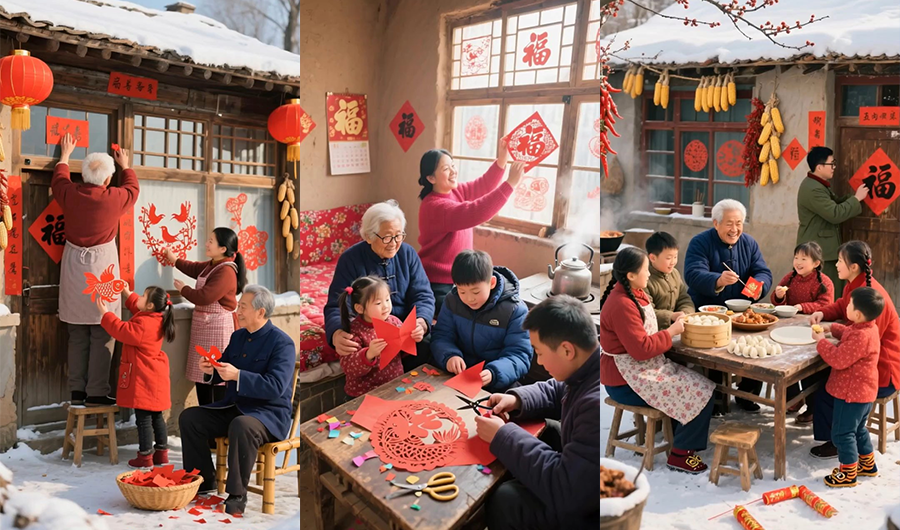
The Spring Festival, also widely known as Chinese New Year, is the most important, joyful, and culturally profound traditional festival in China

Chinese Traditional Festivals FAQs

1. What are the main traditional festivals in China?
+

China's biggest festivals follow the lunar calendar and have been celebrated for over a thousand years. The four most popular with our international groups are:

  • Spring Festival (Chinese New Year) - the country's largest family reunion, with red lanterns, dumplings, firecrackers and lion dances.
  • Lantern Festival - the final night of New Year, with colourful lanterns and riddles.
  • Dragon Boat Festival - the summer festival of rice dumplings and dragon-boat races on the rivers.
  • Mid-Autumn Festival - the harvest moon festival, with mooncakes, lanterns and family reunions.

Smaller festivals such as Qingming (spring outing), Double Ninth (hill climbing for elders) and the Ghost Festival offer even deeper local colour.

2. When is the best time of year to come?
+

Because the festivals follow the lunar calendar, the dates shift every year on the Gregorian calendar:

  • Spring Festival usually falls in January or February.
  • Dragon Boat Festival usually falls in June.
  • Mid-Autumn Festival usually falls in September or early October.

Tell us when your group can travel, and we will build the tour around whichever festival falls in that window — or we can design a "festival-themed" trip at another time of year, with hands-on workshops (dumpling making, mooncake baking, lantern painting) even outside the exact dates.

3. Can our school group experience a festival, or do we just watch?
+

You do not just watch - you participate. Our festival study tours are hands-on by design: students learn to wrap dumplings for Spring Festival, make zongzi for Dragon Boat, paint lanterns for Lantern Festival, and join a local family's reunion dinner. Many groups also visit a local school during the festival, take part in the temple fair, or even line the riverbank for the dragon-boat races. Every activity is bilingual and led by an English-speaking guide who explains the stories and symbolism behind the customs.

4. What does a typical festival study tour look like?
+

Most festival tours run 5 to 10 days and combine the festival experience with classic Chinese sights. A typical Spring Festival tour might include: a Beijing or Shanghai arrival, a dumpling-making workshop, a local family reunion dinner on New Year's Eve, the temple fair on New Year's Day, a few days of sightseeing (the Great Wall, the Bund), and a calligraphy or paper-cutting workshop. For Dragon Boat, we build the trip around a river town such as Guilin or Hangzhou, where the races are most spectacular.

5. Which festival is best for our age group and season?
+
  • Spring Festival - best for groups who want the full sensory experience; ideal for middle and high school students, but note that some cities are quieter as families travel home.
  • Dragon Boat Festival - best for summer study tours; the river races are visually spectacular and suit all ages.
  • Mid-Autumn Festival - best for groups travelling in September/October; the lantern-making and mooncake workshops are especially popular with younger students.
  • Out of season - if your dates do not align with a festival, we can still run a festival-culture workshop (calligraphy, dumpling making, lantern painting) as part of a general China study tour.

Tell us your travel dates and group size, and we will recommend the festival experience that fits.

EXPLORE, EXPERIENCE, DISCOVER

Exciting Educational Tours to China for Your Students

Contact Us

The staff will reply to your inquiry as soon as possible

Verification Code: Click refresh If you can't see clearly, click on the image to refresh
Shanghai Office
Address: 2009, Jincheng Plaza, 511 Tian Mu Road (West), Shanghai 200070
Office at Belgium
Address: Honkersven 33, 2440 Geel, Belgium
E-mail: sales@pandastudytour.com Copyright© www.pandastudytour.com 2026